Holiday 2024 Holiday 2024

QR Code Generator for Tourism, Cities & Tours

Loading QR code generator…

Guides, maps, and stories for visitors on the go.

4.8 rated 250k+ happy customers 100% free with sign up

In the modern world of travel and tourism, QR codes have emerged as a powerful tool to enhance the visitor experience. From providing instant access to historical information at landmarks to offering interactive maps for city tours, QR codes bridge the gap between the physical world and digital convenience. A well-executed QR code marketing strategy can transform how people explore and interact with a destination, making their travel more informed and enjoyable.

Benefits of Using QR Codes for Tourism & City Guides

1. Remove Language Barriers

QR codes can link to information in multiple languages, making it easier for international tourists to understand and appreciate local attractions. This is one of the best ways to use QR codes to create a more inclusive environment.

2. Direct to Important Resources

Guide visitors to essential resources like public transportation schedules, emergency contacts, and city guides. A quick scan can take them exactly where they need to go online.

3. Eco-Friendly and Cost Effective

By reducing the need for printed brochures and maps, QR codes help promote sustainability and save on printing costs, keeping cities cleaner.

4. Instant Access to information

The main use of QR codes is to provide immediate access to detailed information. Travelers can check facts about attractions, view restaurant menus, or find opening hours without needing a physical guide.

5. Easily Update Information

With dynamic QR codes, you can update the linked content at any time. This is perfect for event schedules, special exhibits, or any information that changes frequently, ensuring visitors always have the most current details.

How to Create a QR Code for Tourism

Step 1: Choose the Right Type of QR Code

Select the appropriate one from the different types of QR codes available. A "URL QR Code" is perfect for linking to maps or websites, while a "Social Media QR Code" can help grow your online presence.

Step 2: Enter Your Content or URL

Enter the link to your online map, attraction website, or tour booking page.

Step 3: Customize Your QR Code’s Design

Ensure your QR code aligns with your brand. Add your city or company logo, adjust colors, and create a visually appealing image that inspires trust.

Step 4: Download and Implement

Download your code and integrate it into your promotional materials. You can print the code on flyers, signs, brochures, or even use it in your digital marketing strategy.

Step 5: Track Performance (with Dynamic Codes)

Use dynamic QR codes so you can change linked content without replacing the printed image. Review scans, devices, and locations in QRStuff analytics to improve what you share and where you place codes.

Applications for QR Codes in Tourism

1. Interactive City Maps and Tours

1. Interactive City Maps and Tours

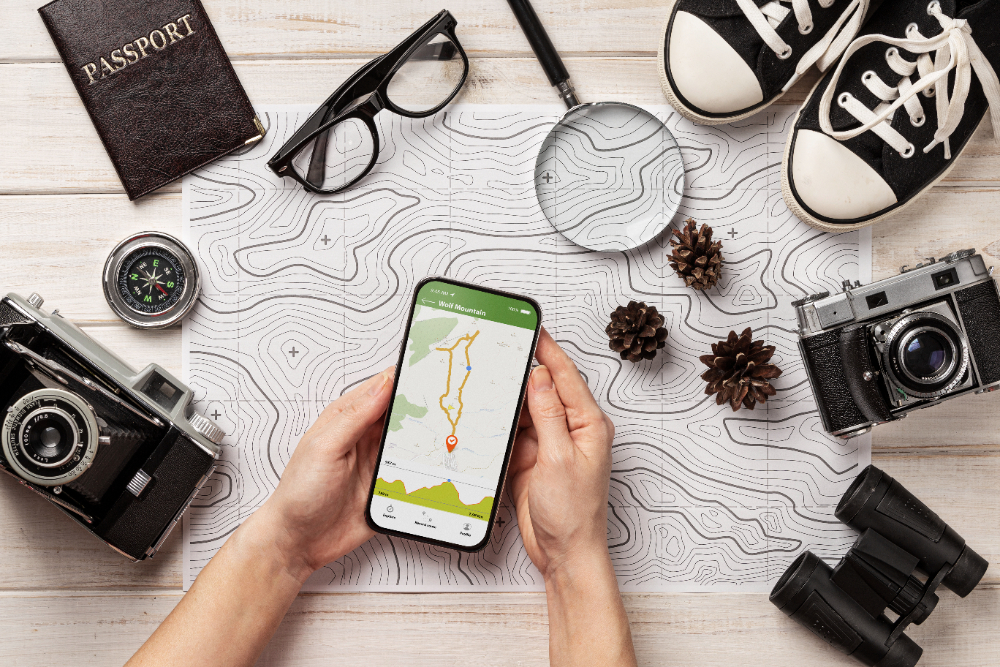
Placing QR codes at key locations that link to an interactive map is the easiest way to offer self-guided city tours. These maps can provide real-time navigation and details about nearby popular tourist attractions.

2. Historical Sites and Landmarks

2. Historical Sites and Landmarks

At historical sites, a QR code printed on a sign can link to detailed descriptions, archival photos, or multimedia content. Visitors get a rich, educational experience by simply scanning the QR code.

3. Promote tourist destinations

3. Promote tourist destinations

Use a social media QR code in your marketing to promote destinations with engaging videos and photos. Scanning a QR code can give potential visitors a stunning visual preview, encouraging them to book a trip.

Best Practices for QR Codes in Tourism

Strategic placement: Place QR codes in high-traffic tourist areas, information centers, and at the entrance to attractions to maximize visibility and scans.
Optimize for mobile: Ensure all linked content is mobile-friendly. Most tourists will be scanning QR codes with their smartphones, and a clunky website will ruin the experience.
Provide Multilingual Options: If your destination attracts international visitors, link your QR codes to content available in multiple languages.
Use Dynamic QR Codes: Always use dynamic QR codes. This allows you to update the linked information (like event schedules or opening hours) without needing to reprint and replace the physical QR code.

Create Your Tourism QR Code Today

Ready to discover how QR codes can transform tourism in your city?
Start by creating your custom QR Code today.

Frequently Asked Questions

QR codes help Tourism teams connect physical touchpoints to digital actions such as product info, promotions, forms, and bookings.

Use static codes for permanent information and dynamic codes when destinations, campaigns, or content may change.

Use pages with clear intent: offers, contact, booking, product details, support, or lead forms.

Place codes where users naturally pause, include a clear CTA, ensure strong contrast, and test scanning distance.

Use dynamic QR codes with analytics and tagged destination URLs to track scans, engagement, and downstream conversions.