Holiday 2024 Holiday 2024

QR Code Generator for Healthcare: A Guide to Modern Patient Care

Loading QR code generator…

Connect patients to forms, portals, and care information in one scan.

4.8 rated 250k+ happy customers 100% free with sign up

In today’s rapidly evolving healthcare environment, QR codes for healthcare are transforming how hospitals, clinics, and medical professionals manage information and engage patients. By using QR codes, healthcare providers can bridge the gap between physical and digital records, making it easier to scan, access, and share vital information in real time.
A single QR code can link to secure portals, educational materials, or appointment systems — streamlining processes for both patients and staff. These solutions improve efficiency, increase patient engagement, and help medical teams deliver faster, more informed care.

Benefits of Using QR Codes in Healthcare

1. Empowering Patients with Information

QR codes give patients control and clarity. A quick scan can link to treatment details, educational resources, or post-visit instructions. By making care guides and tutorials accessible through QR codes for healthcare, providers empower patients to better understand their diagnoses and treatment plans — increasing satisfaction and engagement.

2. Optimizing Healthcare Delivery

Efficiency is critical in healthcare. Nurses and clinicians can scan QR codes on wristbands or medical devices to instantly retrieve medical history or usage guides. This reduces human error, improves accuracy, and ensures teams have the data they need when they need it.

3. Boosting Efficiency and Cost-Effectiveness

Using QR codes minimizes paperwork, saves time, and enhances productivity. From linking to equipment manuals to digitizing internal forms, QR-based solutions make administrative tasks easier and allow staff to focus on patient care.

4. Promoting Public Health Awareness

Modern QR code generators allow hospitals to create dynamic QR codes that connect to encrypted online portals. Instead of storing data within the code, these tools ensure compliance and security while maintaining quick, reliable contact between providers and patients.

How to Create a QR Code for Healthcare

Step 1: Choose a Reliable QR Code Generator

Select a trusted tool like QRStuff to create QR codes that meet healthcare data privacy requirements. Our free QR code generator supports dynamic QR codes, encryption, and design customization for hospitals and clinics.

Step 2: Select the Right Type of QR Code

Pick a format based on your need:
URL QR Code – for linking to patient portals or feedback forms, PDF QR Code – for discharge instructions or printable educational guides, vCard QR Code – to share contact details for medical teams or departments.

Step 3: Customize Your QR Code’s Design

Customize your QR code with your clinic’s logo, colours, or brand identity. Clear design builds trust and makes the scan process simple and recognizable for patients.

Step 4: Download and Implement Your QR Code

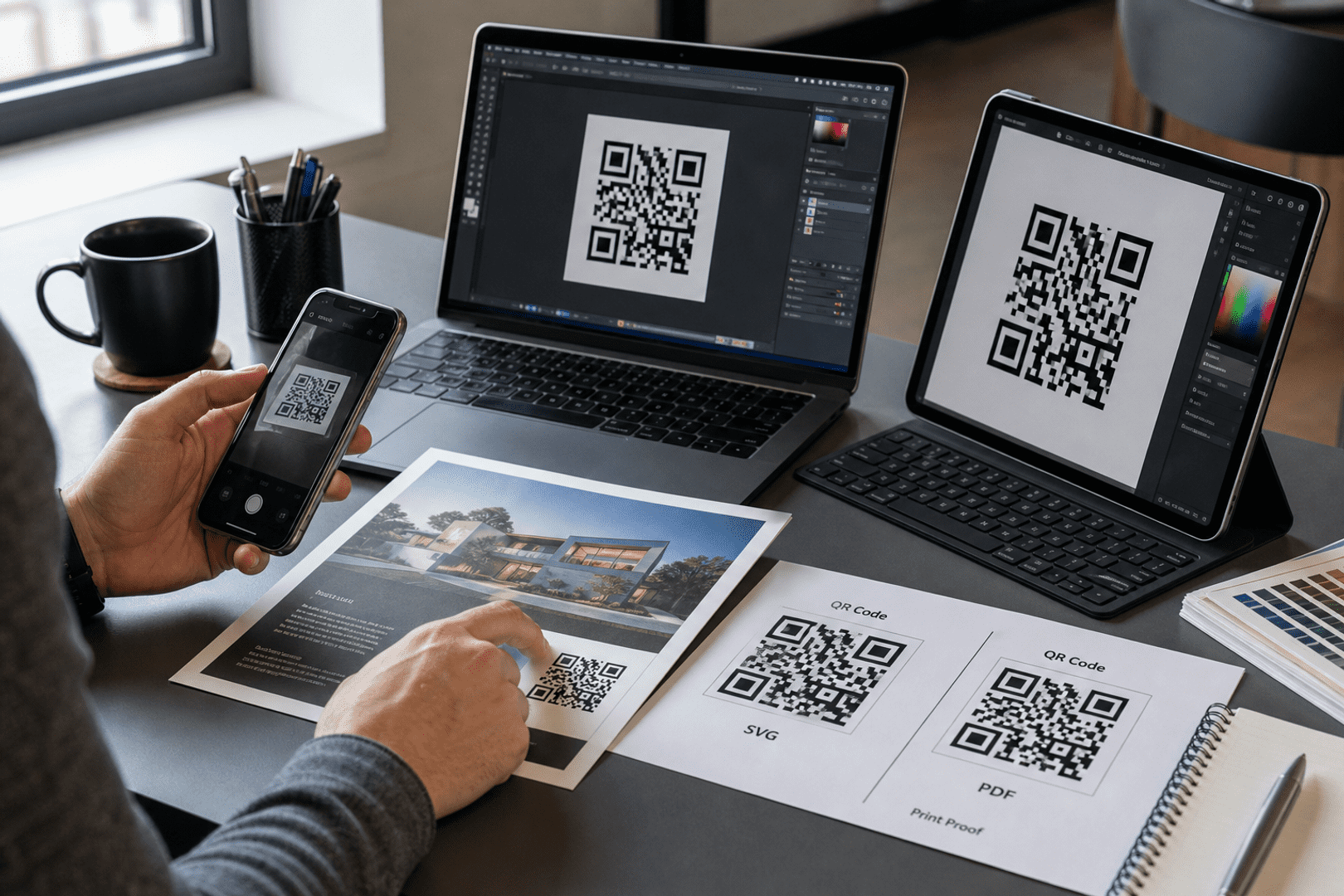
Once designed, generate QR codes in high-resolution for printed materials like wristbands, appointment cards, or posters. Always use dynamic QR codes so you can update links later — a crucial feature for evolving medical information.

Step 5: Track Performance (with Dynamic Codes)

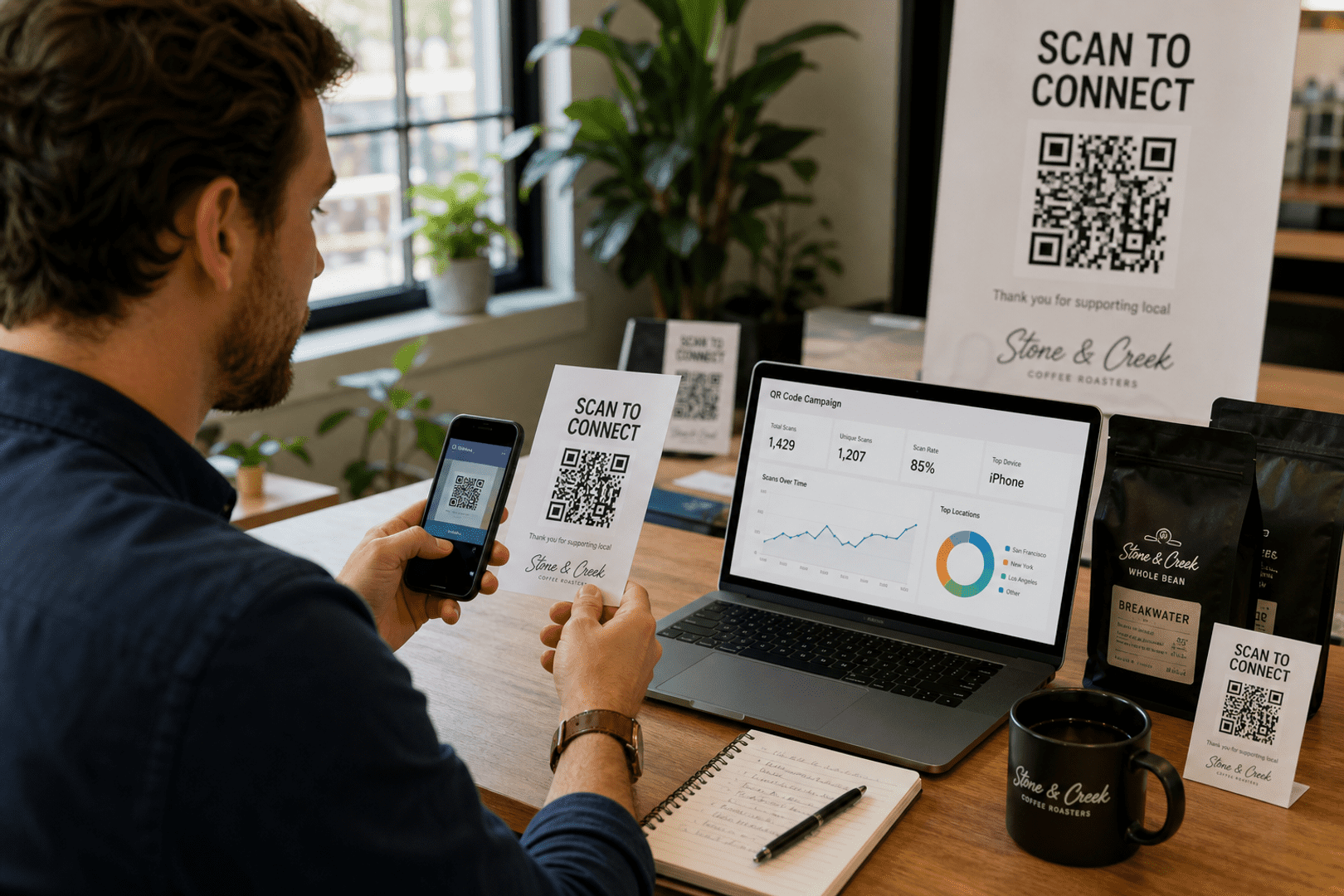
Use dynamic QR codes so you can change linked content without replacing the printed image. Review scans, devices, and locations in QRStuff analytics to improve what you share and where you place codes.

Examples of QR Codes in Healthcare

1. Patient ID and Access to Medical History

1. Patient ID and Access to Medical History

QR codes for healthcare improve safety by giving doctors and nurses instant access to medical data. A simple scan on a patient’s wristband can reveal vital signs, allergies, and history — ensuring quick, informed decisions and seamless team coordination.

2. Medication Safety and Tracking

2. Medication Safety and Tracking

Add QR codes to prescriptions or packaging to help patients verify authenticity, dosage, and expiration. Scanning the code can open video instructions or digital leaflets, supporting proper use and boosting patient engagement.

3. Appointment Scheduling and Online Portals

3. Appointment Scheduling and Online Portals

Simplify scheduling with QR codes on appointment cards or discharge papers. When patients scan, they can book follow-ups, check results, or contact their doctor via secure email or online chat — improving engagement and accessibility for everyone.

Best Practices for Healthcare QR Codes

✓ Prioritize Data Security

Always link to secure, encrypted sites — never store confidential data directly in the QR code. Use HIPAA-compliant or GDPR-approved solutions to maintain patient privacy.

✓ Limited Data Sharing

Use QR codes to connect patients with multilingual materials, how-to videos, or follow-up support content. These tools help improve understanding and encourage self-managed care.

✓ Provide Clear Instructions

Add simple prompts like “Scan for Aftercare Details” or “Scan to Book a Follow-Up” so patients understand what each code does.

✓ Focus on Accessibility and Design

Ensure your QR codes are large, clear, and high-contrast for easy scanning. This guarantees reliability across devices and medical environments.

✓ Boost Engagement Across Teams

Encourage healthcare teams to integrate QR codes into everyday workflows — from patient charts to feedback forms — to improve collaboration and patient engagement.

Create Your Healthcare QR Code Today

Improve patient engagement and streamline care with QR codes for healthcare.
Empower your medical team, simplify contact with patients, and modernize your processes with a secure, easy-to-use free QR code generator.

Frequently Asked Questions

QR codes help Healthcare teams connect physical touchpoints to digital actions such as product info, promotions, forms, and bookings.

Use static codes for permanent information and dynamic codes when destinations, campaigns, or content may change.

Use pages with clear intent: offers, contact, booking, product details, support, or lead forms.

Place codes where users naturally pause, include a clear CTA, ensure strong contrast, and test scanning distance.

Use dynamic QR codes with analytics and tagged destination URLs to track scans, engagement, and downstream conversions.