Holiday 2024 Holiday 2024

QR Code for Public Transport

The modern public transport industry is evolving fast — and QR codes are driving that transformation. By integrating QR codes into your ticketing and communication systems, your business can simplify travel, improve accessibility, and provide a seamless passenger experience.
Whether displayed at bus stops, on train platforms, or within your transport app, scanning a QR code connects passengers instantly to live schedules, fare details, and payment portals — eliminating the need for paper tickets and streamlining every step of the journey.

Find the right plan
QR Code for Public Transport
Loading QR code generator…

Benefits of QR Codes for Public Transportation

The benefits of using QR codes in transportation go beyond convenience — they represent a scalable digital solution that meets the need for fast, efficient, and contactless travel.

Instant Access to Real-Time Information

Passengers can scan a QR code at bus stops or stations to view up-to-the-minute details on routes, delays, and connections. This use case empowers travelers with accurate information while reducing congestion and uncertainty.
👉 Learn how Dynamic QR Codes keep your schedules and updates editable at any time.

Contactless Digital Ticketing

Digital QR code tickets make boarding faster and safer. Passengers purchase tickets online and receive a QR code that can be scanned directly at the turnstile or onboard — eliminating the need for paper passes and minimizing wait times.
👉 Try our QR Code Generator to create QR codes for instant ticketing and validation.

Simplified Information Access

A multilingual-friendly QR code can link to landing pages that include maps, fare charts, and accessibility guides. Scanning a QR code lets passengers view everything they need to know in seconds — perfect for tourists and daily commuters alike.

Efficient Data Collection

The use of QR codes also supports smarter decision-making. Dynamic codes collect anonymous scan data that helps transportation authorities understand ridership trends and optimize services based on real passenger flow.

qrcode.svg

Create Your Public Transport QR Code Today

Empower your transport system with contactless QR code technology — make travel easier, faster, and paper-free for every passenger.

Use Cases for QR Codes in Public Transport

Real-Time Information at Bus Stops

A key use case involves placing QR codes at bus shelters and train stations. Passengers can scan QR codes to access live bus tracking, estimated arrival times, and service updates — keeping them informed during every part of their travel journey.

Real-Time Information at Bus Stops

Digital Tickets and Payments

Generate QR codes as mobile tickets. Once purchased online, passengers can use a single scanned QR code as proof of fare. This method reduces cash handling, improves boarding efficiency, and modernizes public service operations.

Digital Tickets and Payments

Service Updates and Social Media Engagement

Display QR codes inside buses, trains, and stations to encourage engagement. When passengers scan the code, they can follow your social media accounts, access service announcements, or receive notifications on travel disruptions.
👉 Learn how to Create Social Media QR Codes to promote updates directly to riders’ mobile devices.

Service Updates and Social Media Engagement

How to Create a QR Code for Public Transport

Creating a QR code for your transport system is simple with the QRStuff QR Code Generator. Follow this quick guide:

Step 1: Choose a Trustworthy QR Code Generator

Choose a format based on your goal:

  • Website URL QR Code – link to live route maps and schedules
  • PDF QR Code – share downloadable timetables
  • Social Media QR Code – connect riders to official updates
Step 1: Choose a Trustworthy QR Code Generator

Step 2: Enter Your Link or Information

Paste the link to your real-time schedule, travel planner, or ticketing portal to generate a QR code that connects passengers directly.

Step 2: Enter Your Link or Information

Step 3: Customize Your QR Code

Add your city or transport authority logo and brand colors to make your codes instantly recognizable. This builds trust and ensures passengers know the source is official.

Step 3: Customize Your QR Code

Step 4: Download and Implement

Once designed, create QR codes in high resolution for printing and placement. Always choose a dynamic QR code so you can update destinations and route data without replacing signage — saving time and cost.

Step 4: Download and Implement
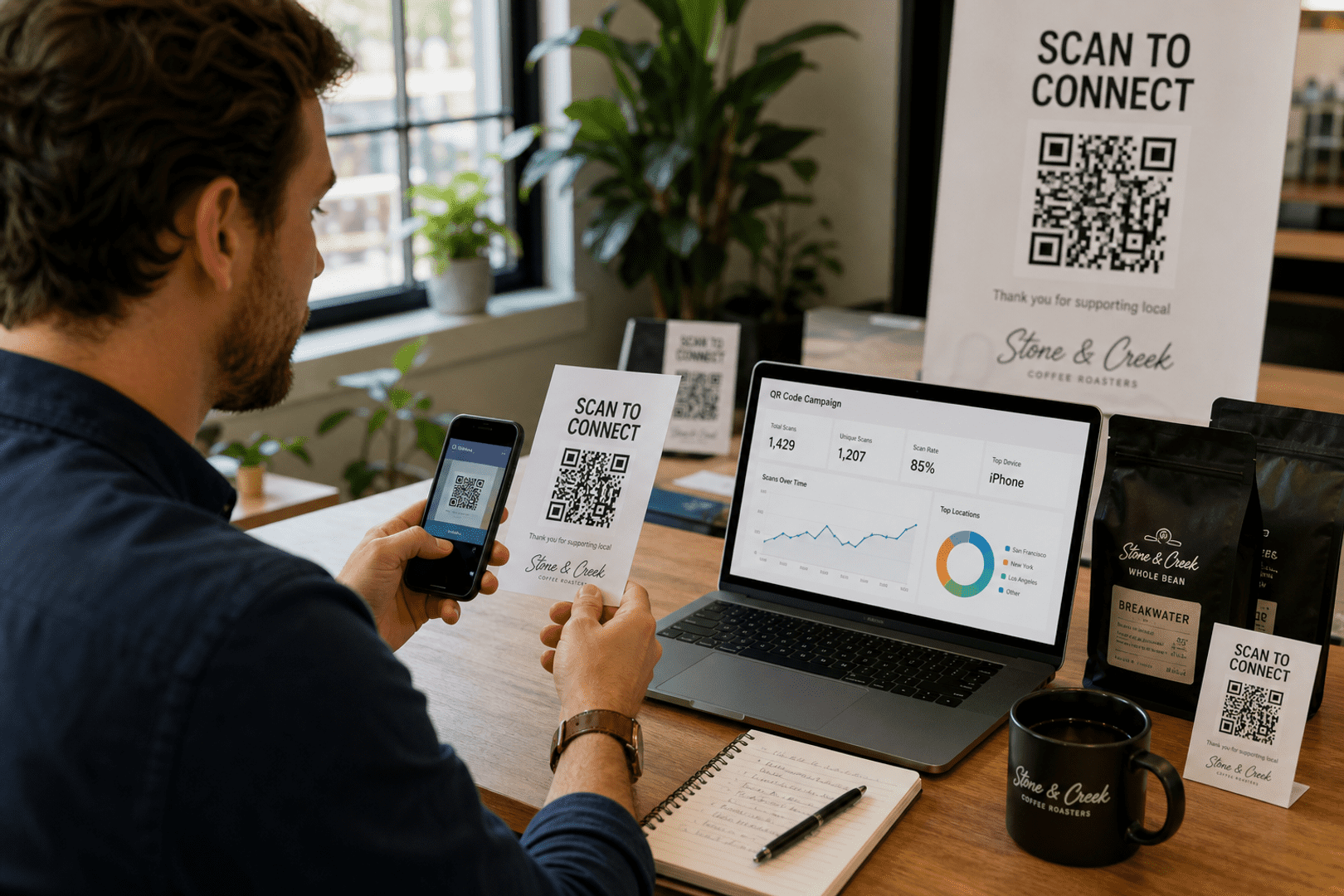
Live Analytics

See your QR code performance in real-time

Stop guessing. Start measuring. Transform your campaign into a data-driven powerhouse with our professional subscriber dashboard.

Scan Velocity

Track total and unique scans hourly.

Global Insights

See exactly where users are scanning.

Stats
Last 24h
Total Scans 1,248
Mobile Users 92%
Unique
842
Top City
NYC
Device
iOS

Best Practices for Transport QR Codes

Follow these best practices to ensure your QR codes perform well and deliver value to passengers:

  • Strategic Placement: Display QR codes at eye level in train stations, bus stops, and vehicle interiors where people have time to scan.
  • Clear Instructions: Add labels like “Scan for Live Travel Times” or “Scan for Ticket Purchase” to make use intuitive.
  • Mobile-Optimized Pages: Ensure all linked pages are mobile-first for smooth scanning and quick load speeds.
  • Durability: For outdoor displays, print QR codes on weatherproof material to remain scannable long-term.
  • Eliminate Paper Waste: Switch to QR code ticketing and digital brochures to reduce waste while improving convenience.
  • Track Performance: With QR Code Tracking and Analytics, review scan data to refine routes and optimize service quality.

Getting the Most from Your QR Codes: Printing & Best Practices

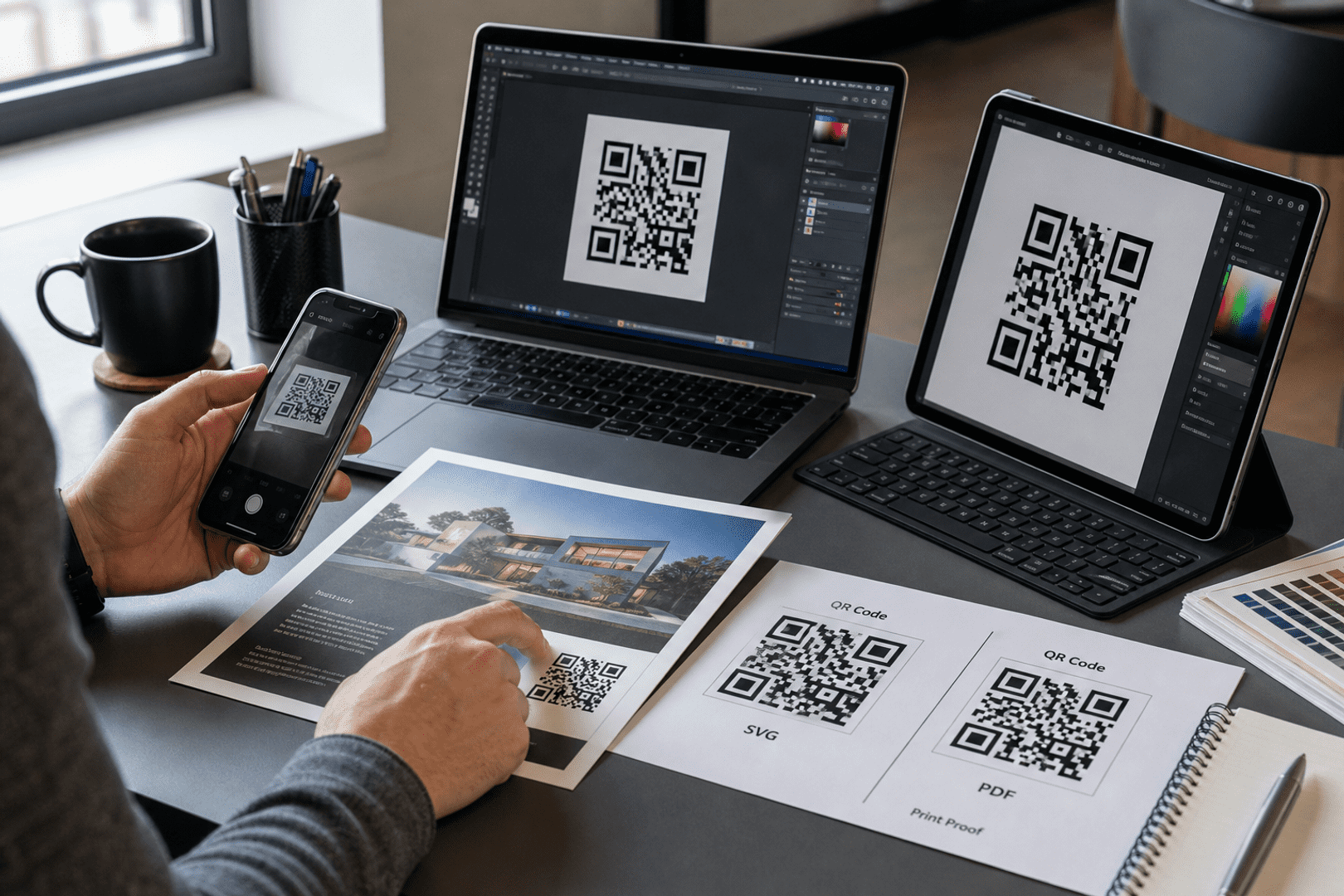
Once you have generated your custom QR code, the final step is ensuring it works perfectly in the physical world. To download your code, simply navigate to your dashboard and select your preferred file type. We recommend SVG or EPS formats for professional printing, as these vector files can be scaled to any size without losing clarity. For digital use or small-scale office printing, a high-quality PNG is usually sufficient.

Resolution & Format

Always use high-resolution files (300 DPI minimum for raster images like PNG). Vector formats (SVG/EPS) are best for large-scale items like banners or signage to prevent pixelation.

Contrast & Color

Maintain high contrast between the QR code and the background. A dark code on a light background is the gold standard. Avoid inverted colors (light code on dark background), as many older scanners struggle to read them.

Size & Placement

Ensure the code is at least 2cm x 2cm (0.8" x 0.8") for simple URLs. Place your codes on flat, non-reflective surfaces at eye level, avoiding folds, seams, or corners that could distort the pattern.

The Quiet Zone

Never crop the white border (the "Quiet Zone") surrounding your QR code. This border is essential for the scanner to distinguish the code from its surroundings.

Partner Program

Partner With Us: Share the Quality, Earn the Rewards

Do you work with clients who need reliable, professional QR code solutions? By sharing these best practices and recommending QRStuff, you can turn your expertise into a recurring revenue stream.

  • 25% Recurring Commission
  • Lifetime Referral Earnings
  • 90-Day Cookie Duration
Join the Affiliate Program today!

Ready to see how QR codes can transform your business?

Start creating free QR codes today, or subscribe to unlock full design capabilities and advanced analytics

Frequently Asked Questions

Yes, you can generate QR codes for essential Public Transport operations, such as linking to digital menus, feedback forms, or basic inventory tags, using our free tool. Advanced branding and analytics require a subscription.

Simply select your data type (URL, PDF, or vCard), enter the relevant Public Transport details—such as a product landing page or service menu—and customize the design to match your business aesthetic before downloading.

Download your QR code in high-resolution SVG or EPS format to ensure clarity. You can then apply it to Public Transport-specific materials like storefront signage, product packaging, table tents, or professional business cards for high-quality scanning.