In the modern world of travel and tourism, QR codes have emerged as a powerful tool to enhance the visitor experience. From providing instant access to historical information at landmarks to offering interactive maps for city tours, QR codes bridge the gap between the physical world and digital convenience. A well-executed QR code marketing strategy can transform how people explore and interact with a destination, making their travel more informed and enjoyable.
QR codes can link to information in multiple languages, making it easier for international tourists to understand and appreciate local attractions. This is one of the best ways to use QR codes to create a more inclusive environment.
Guide visitors to essential resources like public transportation schedules, emergency contacts, and city guides. A quick scan can take them exactly where they need to go online.
By reducing the need for printed brochures and maps, QR codes help promote sustainability and save on printing costs, keeping cities cleaner.
The main use of QR codes is to provide immediate access to detailed information. Travelers can check facts about attractions, view restaurant menus, or find opening hours without needing a physical guide.
With dynamic QR codes, you can update the linked content at any time. This is perfect for event schedules, special exhibits, or any information that changes frequently, ensuring visitors always have the most current details.
QR code scans provide valuable analytics. This data helps tourism boards understand which attractions are most popular, allowing them to refine their services and marketing campaign efforts.
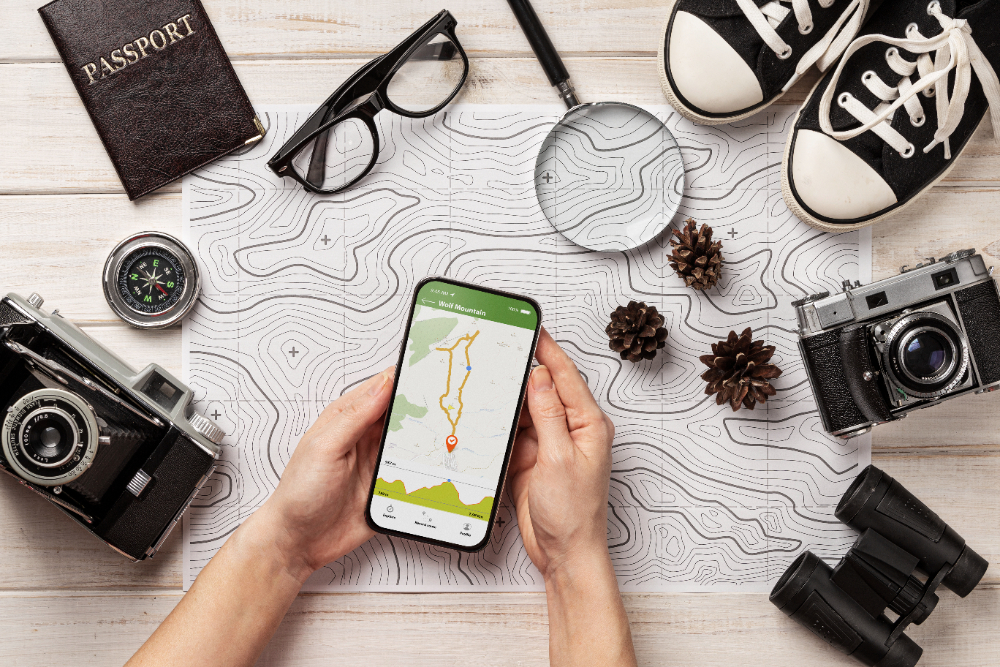
Placing QR codes at key locations that link to an interactive map is the easiest way to offer self-guided city tours. These maps can provide real-time navigation and details about nearby popular tourist attractions.
At historical sites, a QR code printed on a sign can link to detailed descriptions, archival photos, or multimedia content. Visitors get a rich, educational experience by simply scanning the QR code.
Use a social media QR code in your marketing to promote destinations with engaging videos and photos. Scanning a QR code can give potential visitors a stunning visual preview, encouraging them to book a trip.
QR code generation for your city or tour company is a simple process.
Select the appropriate one from the different types of QR codes available. A "URL QR Code" is perfect for linking to maps or websites, while a "Social Media QR Code" can help grow your online presence.
Enter the link to your online map, attraction website, or tour booking page.
Ensure your QR code aligns with your brand. Add your city or company logo, adjust colors, and create a visually appealing image that inspires trust.
Download your code and integrate it into your promotional materials. You can print the code on flyers, signs, brochures, or even use it in your digital marketing strategy.
Stop guessing. Start measuring. Transform your campaign into a data-driven powerhouse with our professional subscriber dashboard.
Track total and unique scans hourly.
See exactly where users are scanning.
Ready to discover how QR codes can transform tourism in your city?
Start by creating your custom QR Code today.
Once you have generated your custom QR code, the final step is ensuring it works perfectly in the physical world. To download your code, simply navigate to your dashboard and select your preferred file type. We recommend SVG or EPS formats for professional printing, as these vector files can be scaled to any size without losing clarity. For digital use or small-scale office printing, a high-quality PNG is usually sufficient.
Always use high-resolution files (300 DPI minimum for raster images like PNG). Vector formats (SVG/EPS) are best for large-scale items like banners or signage to prevent pixelation.
Maintain high contrast between the QR code and the background. A dark code on a light background is the gold standard. Avoid inverted colors (light code on dark background), as many older scanners struggle to read them.
Ensure the code is at least 2cm x 2cm (0.8" x 0.8") for simple URLs. Place your codes on flat, non-reflective surfaces at eye level, avoiding folds, seams, or corners that could distort the pattern.
Never crop the white border (the "Quiet Zone") surrounding your QR code. This border is essential for the scanner to distinguish the code from its surroundings.
Do you work with clients who need reliable, professional QR code solutions? By sharing these best practices and recommending QRStuff, you can turn your expertise into a recurring revenue stream.
Start creating free QR codes today, or subscribe to unlock full design capabilities and advanced analytics
Yes, you can generate QR codes for essential Tourism operations, such as linking to digital menus, feedback forms, or basic inventory tags, using our free tool. Advanced branding and analytics require a subscription.
Simply select your data type (URL, PDF, or vCard), enter the relevant Tourism details—such as a product landing page or service menu—and customize the design to match your business aesthetic before downloading.
Download your QR code in high-resolution SVG or EPS format to ensure clarity. You can then apply it to Tourism-specific materials like storefront signage, product packaging, table tents, or professional business cards for high-quality scanning.