QR Code Generator for Home Repair & Maintenance
In the competitive home repair and maintenance industry, efficiency and accessibility are everything. Today’s homeowners expect instant solutions — and QR codes help you deliver exactly that. By integrating QR codes into your business, you can provide quick access to manuals, tutorials, and your contact information, improving customer satisfaction and streamlining operations.
With just one scan, clients can book a service, watch repair videos, or access warranty documents. Whether you’re a solo technician or part of a team managing multiple service calls, using QR code tools helps you stay organized and professional while improving your marketing efforts.
Benefits of Using QR Codes for Home Repair
Using QR codes for your home services brings value to both your business and your clients. Here’s how to make the most of this free marketing tool:
1. Instant Access to Resources
Homeowners can scan the QR code on an appliance to instantly open product manuals, troubleshooting guides, and warranty details. This reduces calls for simple issues and empowers customers to find the right information at home.
2. Efficient Service & Scheduling
A QR code can link directly to your booking or calendar page, allowing customers to schedule appointments in seconds. This feature helps you fill service slots, manage your team, and keep your business running efficiently.
👉 Try the Dynamic QR Code Generator to update appointment links anytime.
3. Improved Customer Support
Add QR codes to invoices, receipts, or business cards that link to FAQs or your contact information. Customers can scan and connect instantly for assistance — a modern way to build trust and maintain ongoing relationships.
👉 Learn more about creating Business Card QR Codes.
4. Track Maintenance History
Dynamic QR codes can connect to service records or maintenance logs. Both you and your client can view the complete history of repairs, dates, and technician notes — perfect for HVAC units, appliances, and plumbing systems.
👉 Discover how to use Dynamic QR Codes for long-term customer support.
5. Strengthen Your Marketing
Incorporate QR codes into your home repair marketing materials — from flyers to vehicle decals. When a potential client scans, they can see your past projects, request quotes, or read testimonials. It’s one of the easiest marketing tools to generate new leads and build credibility.
Create Your Home Repair QR Code Now
Start creating your free QR code now to enhance your home repair marketing and connect with more clients today.
Examples of QR Codes in Home Repair
Appliance Manuals and Guides
Attach a QR code sticker to every appliance you service — from water heaters to dishwashers. When scanned, it can open a PDF manual, list of error codes, or a “how-to” page. This positions you as a knowledgeable expert while improving customer satisfaction.
Business Cards and Marketing Materials
Elevate your marketing efforts by embedding QR codes on your business cards, service flyers, or vehicle wraps. Link them to your website, booking form, or contact information — helping potential clients reach you instantly.
👉 Learn how to design QR Codes for Marketing.
Video Tutorials for Minor Repairs
Attach a QR code sticker to every appliance you service — from water heaters to dishwashers. When scanned, it can open a PDF manual, list of error codes, or a “how-to” page. This positions you as a knowledgeable expert while improving customer satisfaction.
How to Create a QR Code for Home Repair Services
Creating QR codes for your home repair business is quick, effective, and — best of all — free. Follow these simple steps with the QRStuff QR Code Generator:
Step 1: Select the Right QR Code Type
Choose your data type based on your goal:
- PDF QR Code for manuals or documents
- Video QR Code for tutorials
- Website URL QR Code for your online booking page
Step 2: Add Your Content
Upload a PDF, paste a YouTube tutorial link, or enter your website address directly into the QR code generator. You can even include your contact information for quick callbacks.
Step 3: Customize Your QR Code’s Design
Use branding elements like your logo and color palette. Customization enhances brand visibility and ensures your marketing tools look professional — whether printed or online.
Step 4: Download and Implement Your QR Code
Download high-resolution PNG or SVG formats, then print your QR codes on durable labels, business cards, or equipment.
For best results, use a dynamic QR code, so you can easily update content without reprinting stickers.
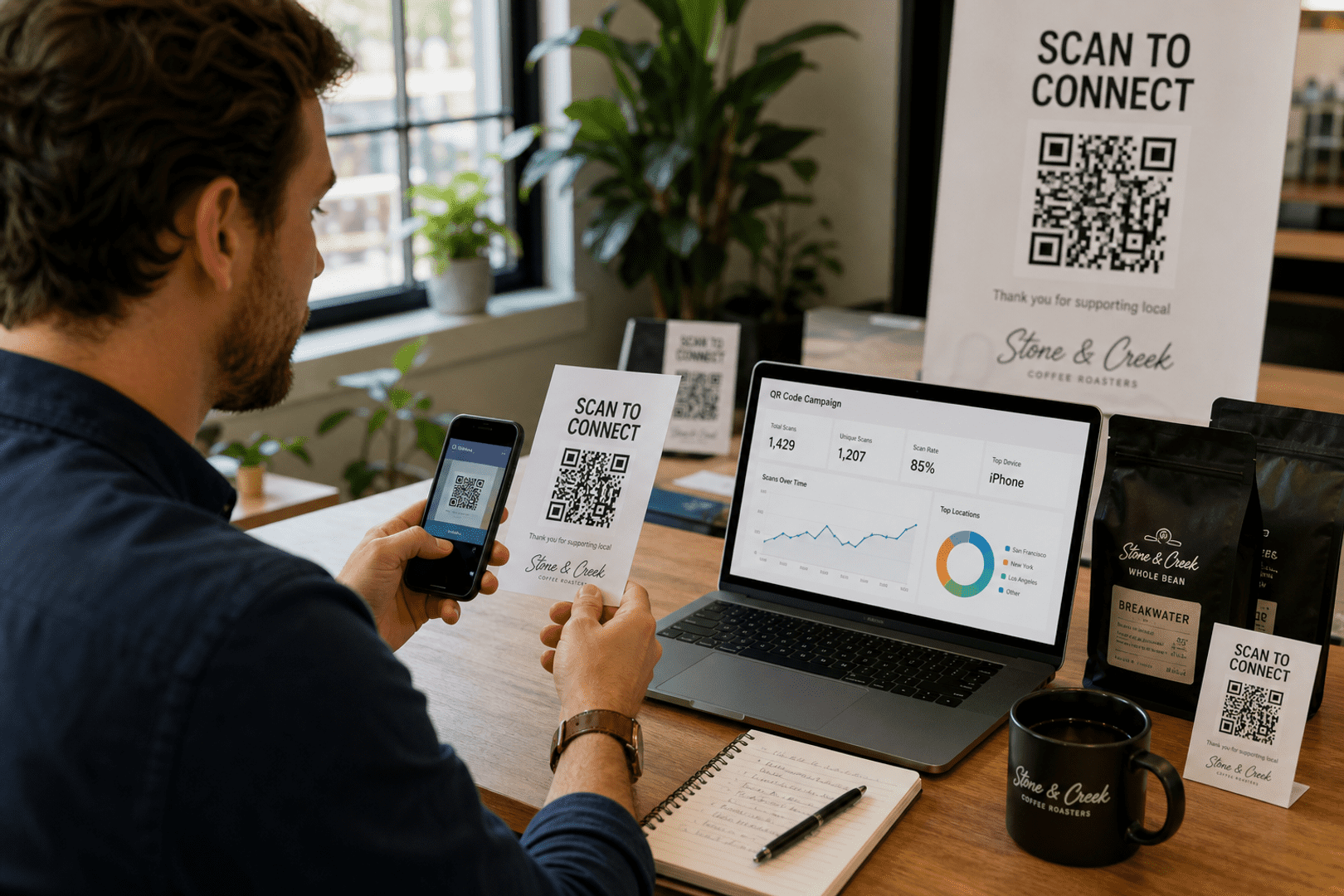
See your QR code performance in real-time
Stop guessing. Start measuring. Transform your campaign into a data-driven powerhouse with our professional subscriber dashboard.
Track total and unique scans hourly.
See exactly where users are scanning.
Stats
Last 24hBest Practices for Home Repair Professionals
- Use Durable Materials: Print on waterproof labels that remain scannable for years.
- Provide Clear Instructions: Add labels like 'Scan for Manual' or 'Book a Service' so users know the purpose.
- Optimize for Mobile: Ensure all linked pages are mobile-friendly and load quickly — most homeowners will scan on their phones while at home.
- Leverage Dynamic QR Codes: Easily refresh your linked documents or videos with dynamic QR code tools, saving time and costs.
Getting the Most from Your QR Codes: Printing & Best Practices
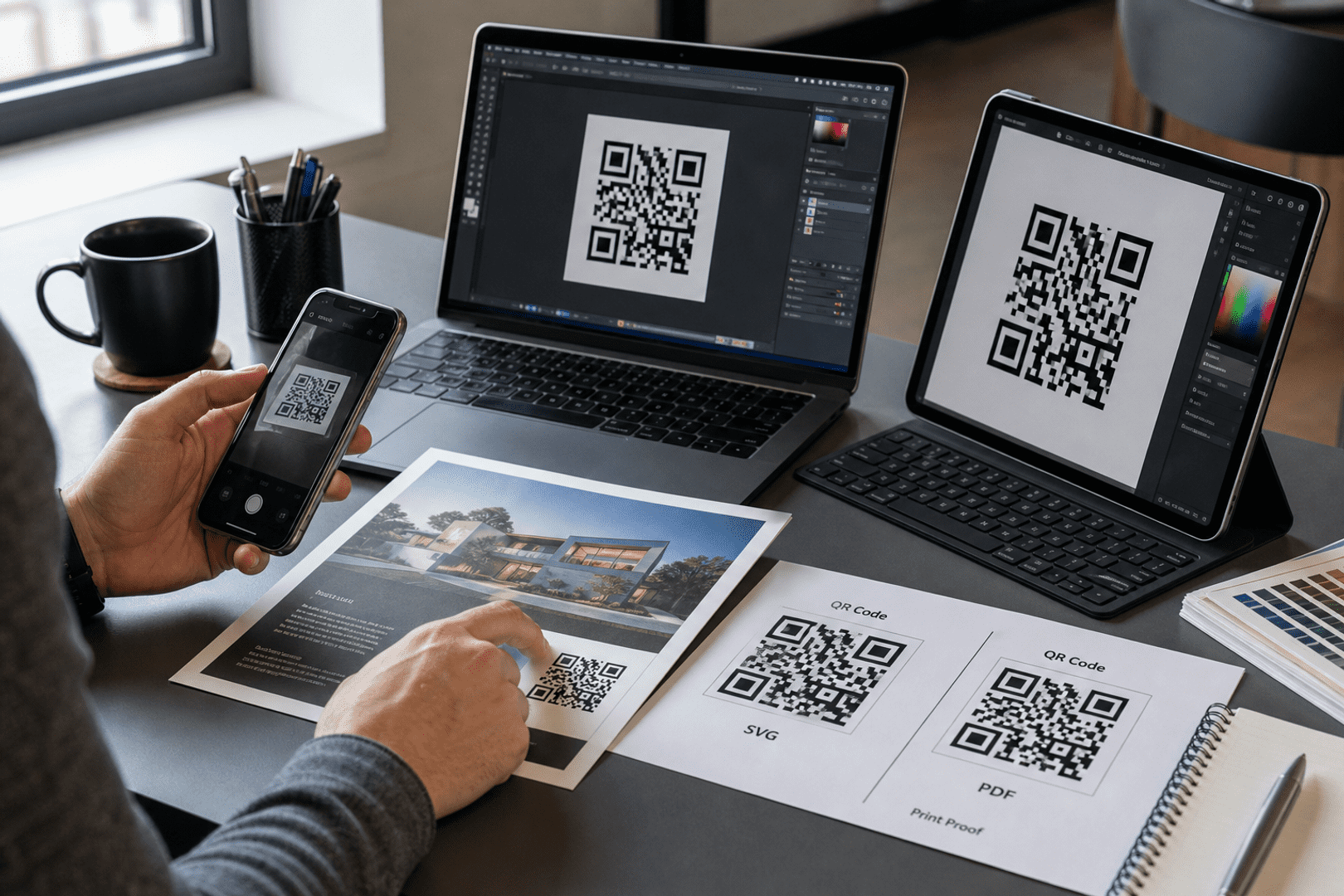
Once you have generated your custom QR code, the final step is ensuring it works perfectly in the physical world. To download your code, simply navigate to your dashboard and select your preferred file type. We recommend SVG or EPS formats for professional printing, as these vector files can be scaled to any size without losing clarity. For digital use or small-scale office printing, a high-quality PNG is usually sufficient.
Resolution & Format
Always use high-resolution files (300 DPI minimum for raster images like PNG). Vector formats (SVG/EPS) are best for large-scale items like banners or signage to prevent pixelation.
Contrast & Color
Maintain high contrast between the QR code and the background. A dark code on a light background is the gold standard. Avoid inverted colors (light code on dark background), as many older scanners struggle to read them.
Size & Placement
Ensure the code is at least 2cm x 2cm (0.8" x 0.8") for simple URLs. Place your codes on flat, non-reflective surfaces at eye level, avoiding folds, seams, or corners that could distort the pattern.
The Quiet Zone
Never crop the white border (the "Quiet Zone") surrounding your QR code. This border is essential for the scanner to distinguish the code from its surroundings.
Partner With Us: Share the Quality, Earn the Rewards
Do you work with clients who need reliable, professional QR code solutions? By sharing these best practices and recommending QRStuff, you can turn your expertise into a recurring revenue stream.
- 25% Recurring Commission
- Lifetime Referral Earnings
- 90-Day Cookie Duration
Ready to see how QR codes can transform your business?
Start creating free QR codes today, or subscribe to unlock full design capabilities and advanced analytics