
How to Use QR Codes for Restaurants to Drive Engagement and Sales
In today’s fast-paced world, where technology and convenience reign supreme, having a robust way to connect with customers is more critical than ever—especially in the restaurant industry. Enter QR codes, those little black-and-white squares that have been popping up everywhere from menus to product packaging. They may seem simple, but QR codes are revolutionizing how restaurants engage their customers and streamline their operations.
As digital transformation accelerates post-pandemic, QR codes have quickly become essential tools for restaurants. They offer a bridge between the physical and digital experiences diners crave, enhancing everything from menu viewing to feedback collection. In this post, we’ll delve into why QR codes matter for restaurants, explore innovative ways they can enhance your dining experience, and show you how to implement them effectively.
Why QR Codes for Restaurants Matter
The restaurant industry is one of the most competitive markets out there. To stand out, businesses must be agile and adopt modern technologies that enhance customer experiences. QR codes provide a seamless solution, allowing establishments to streamline services and cater to the increasingly tech-savvy clientele.
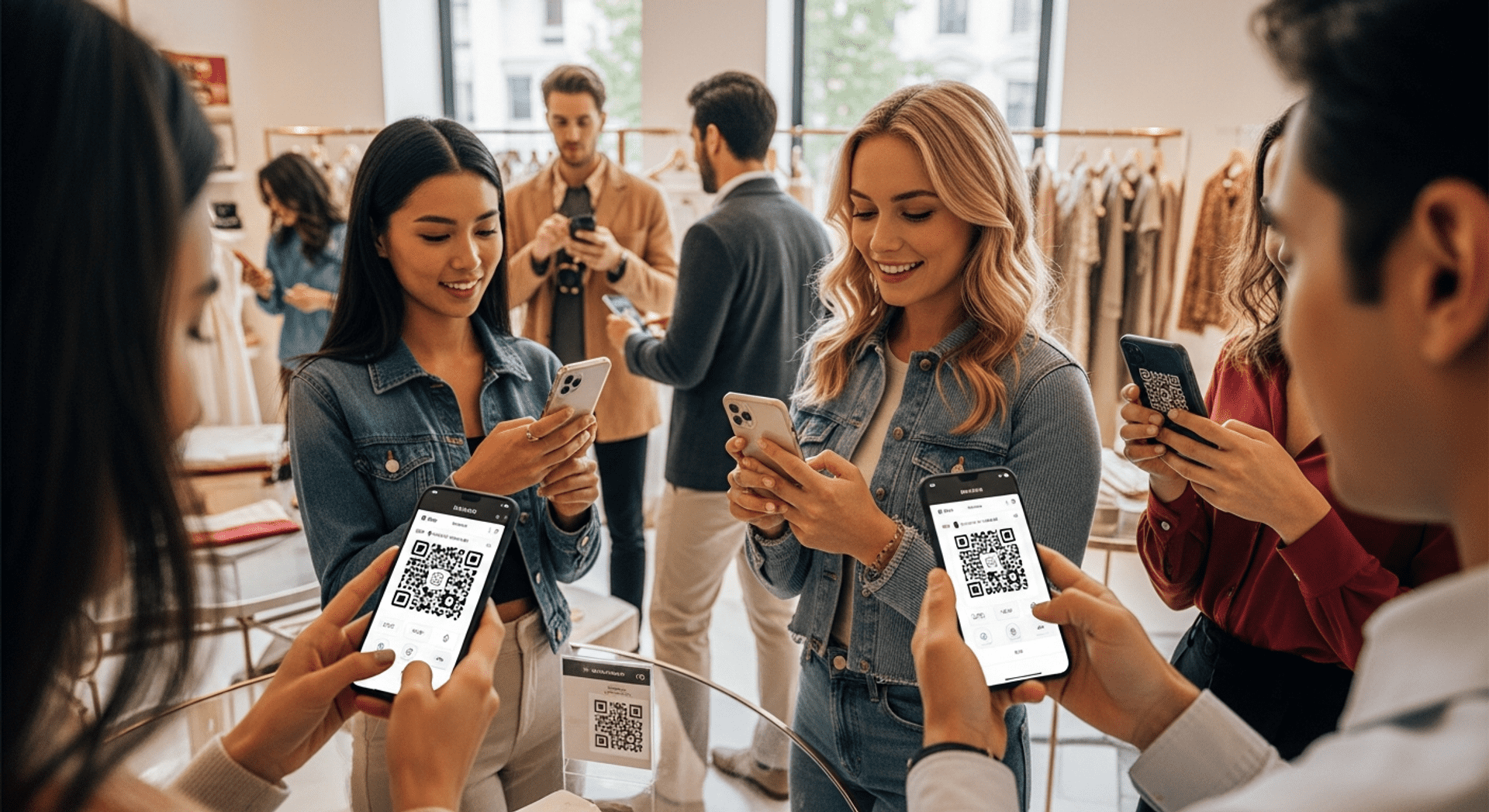
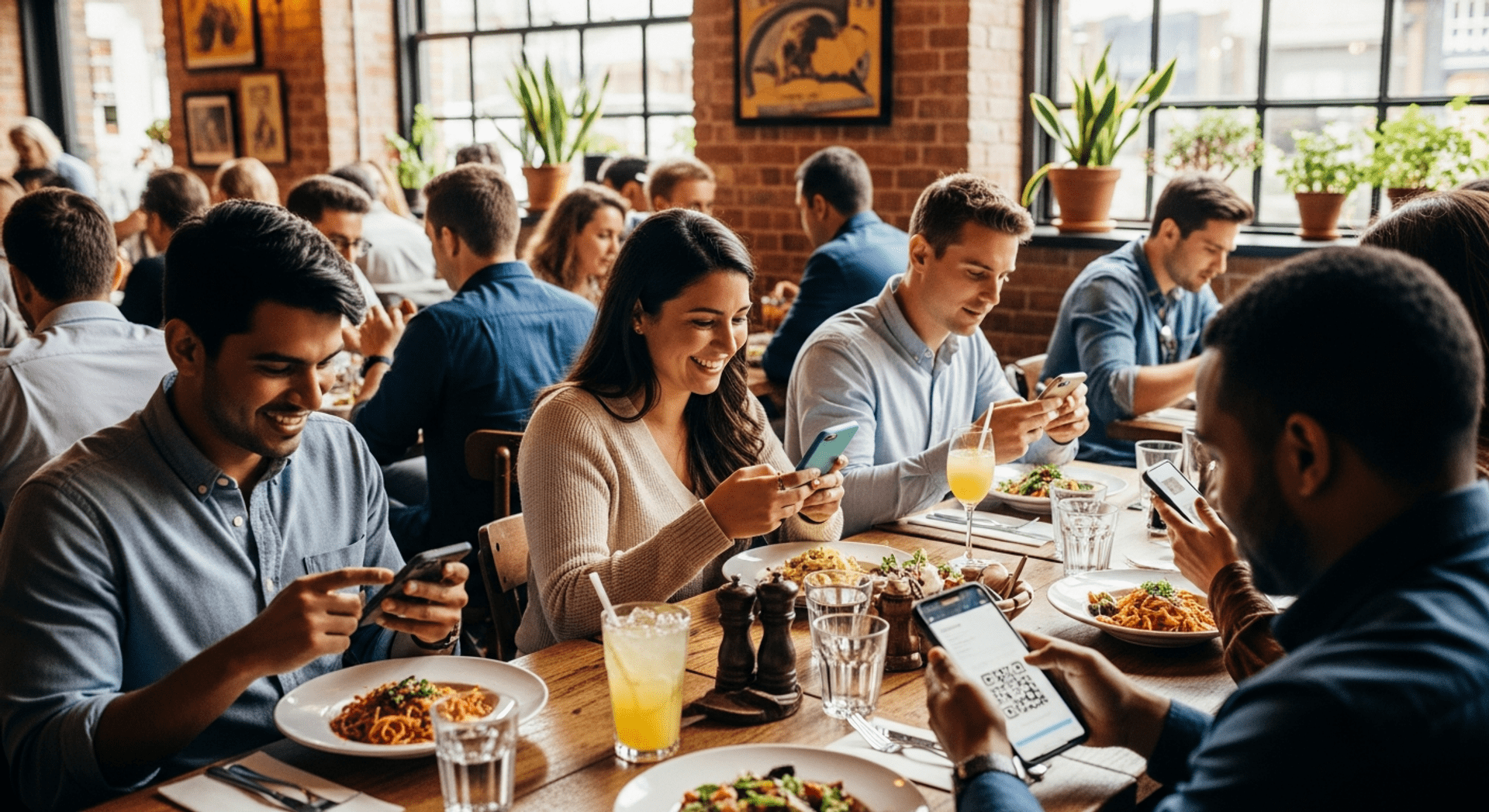
Imagine walking into a packed restaurant during lunchtime. Instead of waiting for a physical menu, diners can pull out their phones, scan a QR code placed on tables, and instantly view the menu. This not only speeds up the ordering process but also reduces contact, a concern for many due to health and safety protocols. Plus, using a QR code for restaurant menu helps keep those menus updated without the hassle of reprinting.
Beyond just menus, QR codes are versatile. They can link to promotions, loyalty programs, or social media profiles, creating a more interactive dining experience. For instance, using a facebook QR code generator can make it easy for diners to follow your restaurant on Facebook, keeping them engaged with your latest offerings.
Connecting Physical and Digital Experiences
QR codes create a connectivity between the physical dining experience and the digital world. They allow customers to experience convenience and accessibility without interrupting their dining flow. Want to take it a step further? Implementing a geolocation QR code can efficiently track customer footfall and improve targeted promotions based on customer behavior.
For example, when customers enter your restaurant, they can scan a code that provides instant access to special offers for that day. This interactive element not only engages diners but also encourages them to explore more on your menu or even opt for upgrades they wouldn’t have considered otherwise.
Key Benefits and Use Cases
Integrating QR codes into your restaurant’s operations provides several clear benefits. Here’s a quick overview of some standout uses:
- Enhanced Menu Experience: Guests can view the entire menu at their fingertips, making it easier to browse offerings without the wait for a printed menu.
- Contactless Payments: Customers can scan to pay their bills, adding convenience and speed to the dining experience.
- Real-Time Updates: Restaurants can quickly update menu items or specials without incurring printing costs. This is especially useful for seasonal menus or limited-time offers.
- Gathering Customer Insights: Using a customer feedback QR code can help collect vital insights about guest experience.
- Promotions and Loyalty Programs: QR codes can seamlessly integrate dynamic discount codes—encouraging repeat business.
These are just a few examples of how QR codes can enhance the guest experience in your restaurant.
Understanding Customer Behavior
To fully leverage QR codes, it’s important to understand how customers interact with them. What drives a diner to pull out their phone and scan a code?
What Motivates Users to Scan
Several factors influence whether a user will scan a QR code. Accessibility and perceived value are key components. For instance, if diners believe that scanning a code will enhance their experience—be it through special discounts, intriguing menu options, or the chance to provide feedback—they are much more likely to engage with the code.
Common Expectations and Frustrations
However, it’s also important to be aware of common frustrations. QR codes that lead to slow-loading pages or outdated information can turn a positive experience into a frustrating one. Ensuring that your QR code links lead to mobile-friendly, up-to-date content is essential in maintaining customer satisfaction.
Proven Strategies for QR Codes for Restaurants
If you’re considering implementing QR codes in your restaurant, here are some proven strategies to make the most out of them:
1. Include a Clear Call to Action
It’s crucial to tell your customers what to expect after they scan the QR code. Use clear CTAs like “Scan to access our seasonal menu” to guide their next steps.
2. Offer Discounts and Promotions
Entice customers to engage with your QR codes by offering immediate discounts, such as “Scan for 10% off your meal.” This not only drives scans but can also increase the likelihood of upsells.
3. Update Content Regularly
Maintain an updated digital menu linked via your codes. Nobody wants to scan a QR code and find outdated specials. Regular updates keep the content fresh and engaging.
4. Incorporate Feedback Mechanisms
Use a customer feedback QR code to encourage diners to share their thoughts after their meal. This can enhance engagement and product offerings.
5. Train Staff on QR Code Usage
Ensure your staff understands how to explain QR codes to customers. Training them on how QR codes work and their benefits can enhance customer interaction.
After implementing these strategies, it’s also a good idea to consider how to track engagement. For example, you might want to understand how much each QR code contributes to your restaurant’s performance; tools are available that can help track such metrics.

Get started with QRStuff
Ready to discover how QR codes can transform your business?
Start by creating your custom QR Code today.
Real-World Examples or Case Studies
Now that we’ve discussed strategies, let’s explore a couple of real-world examples where QR codes have made a significant impact:
Starbucks’ Mobile Ordering Evolution
Starbucks has long been at the forefront of tech integration within the coffee shop space. Their use of QR codes allows customers to order and pay ahead via the company’s app. Scanning the QR code upon entering confirms their order—reducing wait times and improving customer satisfaction.
Chick-Fil-A’s In-Store Experience
Chick-Fil-A uses QR codes to streamline meal orders and give customers a quick way to access nutritional information. By simply scanning a code available in-store or on tables, diners can access complete menus and additional content that enhances their dining experience.
Measuring Success
To truly understand the impact of your QR code initiatives, you need to measure their success. Track key performance indicators such as the number of scans, the resulting purchases, and customer interactions. Monitoring these metrics helps identify the effectiveness of specific campaigns or promotions.
Utilizing QRStuff tracking tools can provide you with comprehensive insights into user behavior, which can guide future decisions.
Utilizing comprehensive tools, like those available through 5 best practices to improve customer experience, can offer valuable insights.
Frequently Asked Questions
Are QR codes hard to implement in our restaurant?
Incorporating QR codes is generally a straightforward process. Most platforms that generate QR codes offer user-friendly systems to integrate them into your menus or marketing materials.
Do QR codes work for all types of restaurants?
Yes! Whether you run a fine dining establishment, a café, or a food truck, QR codes can enhance customer experiences and streamline operations.
What is the best way to place QR codes for visibility?
Consider placing QR codes on tables, entryways, promotional materials, and even food packaging. Their placement should be obvious and easily accessible to customers.
Can we track engagement from QR codes easily?
Absolutely! Many QR code generators, including those provided by QRStuff, offer analytics that let you see how well your codes are performing in terms of scans and user interactions.
In conclusion, QR codes represent a bridge linking the traditional dining experience with modern technology. As restaurants continue to adapt to changing consumer expectations, adopting QR codes could significantly enhance customer satisfaction and streamline operations. Whether you’re considering a how restaurants can use QR codes in 5 creative ways or integrating more standard uses, the potential advantages are vast.