
How QR Codes for Restaurants Can Transform Dining Experiences
In our fast-paced world, dining isn’t just about the meal—it’s about the entire experience. QR codes, once primarily associated with product information or marketing, have emerged as a fascinating tool for restaurants, seamlessly blending convenience and innovation. Imagine walking into a restaurant, sitting down, and effortlessly accessing the entire menu with just a quick scan of your smartphone. No paper menus, no waiting for service; just instant access to everything you need. This simple yet powerful interaction illustrates the value of QR codes and how they can enhance the dining experience.
Many restaurants are embracing the digital transformation that QR codes facilitate. They have the potential to improve customer convenience and help restaurant owners streamline operations, reducing wait times and enhancing order efficiency. This technology not only addresses modern consumer expectations but also aligns with a growing demand for contactless interactions—a concern that has become paramount in our post-pandemic world.
Why QR Codes for Restaurants Matter
The integration of QR codes in restaurants is more than just a trend; it’s a response to the evolving landscape of consumer expectations. Customers today seek quick and hassle-free experiences, and QR codes offer a direct line to their desires. They serve as a bridge connecting the physical dining experience to the digital realm, providing customers with instant access to information at their fingertips. Whether it’s reviewing the menu, placing orders, or accessing nutritional information, QR codes meet customers where they are—on their mobile devices.
This transformation speaks volumes about how restaurants can adapt to changing times. The COVID-19 pandemic intensified the push toward contactless solutions. As a result, many establishments began to explore the QR code application in restaurants to facilitate safe dining experiences. From reducing shared touchpoints to expediting the ordering process, QR codes have established themselves as essential tools for enhancing both customer satisfaction and operational efficiency.
Connecting Physical and Digital Experiences
QR codes serve as an excellent channel for bridging the gap between physical and digital interactions. They allow restaurants to take traditional practices—like viewing a menu or providing special offers—and transition them seamlessly to the digital environment. This connection not only enhances convenience but also allows for a more engaging dining experience.
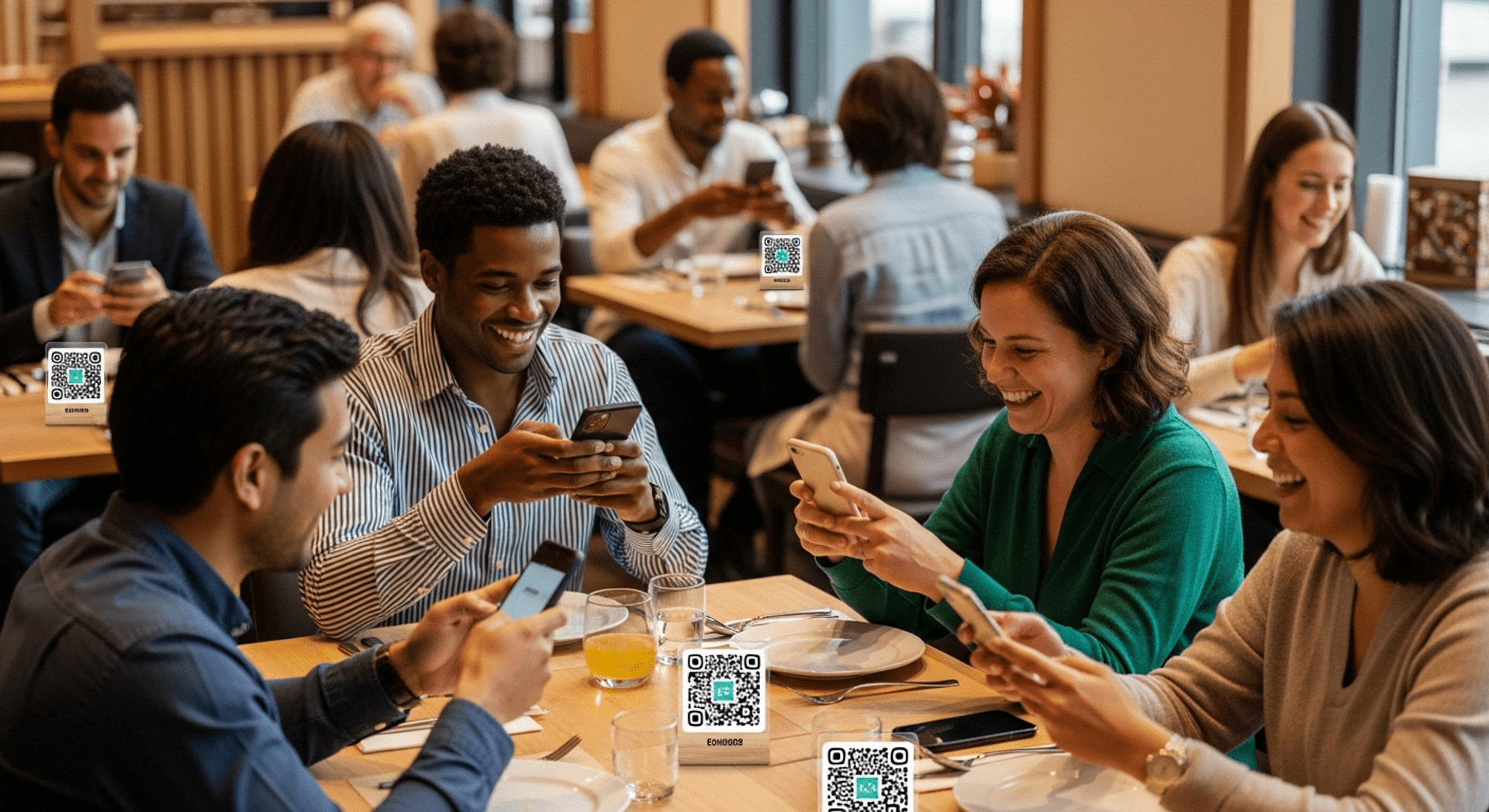
For example, a customer can sit at their table, scan a QR code, and instantly access the restaurant’s menu through their smartphone. Want to know about a specific dish’s ingredients or caloric content? Just click on it. Additionally, restaurants can engage customers through links to their social media pages, providing the ability to connect and share experiences instantaneously. Using a tool like the facebook QR code generator can help generate personalized campaigns that encourage diners to interact, share, and follow online, driving business both online and offline.
Key Benefits and Use Cases

Get started with QRStuff
Ready to discover how QR codes can transform your business?
Start by creating your custom QR Code today.
QR codes offer myriad benefits for restaurants, enhancing various aspects of the dining experience. Here are some key uses:
- Instantly access the restaurant menu without the need for physical menus.
- Facilitate contactless payments and ordering, promoting customer safety.
- Provide detailed dish descriptions, ingredients, and calories at customers’ fingertips.
- Drive promotional campaigns, offering discounts or giveaways unique to QR code scanners.
- Gather actionable insights by allowing restaurants to collect customer feedback with QR codes easily.
- Encourage customer loyalty with digital punch cards accessed via QR codes.
Incorporating QR codes allows restaurants to streamline operations while catering to customer demands for convenience and speed. This blend of practicality and technology presents opportunities that can lead to greater customer satisfaction and loyalty.
Understanding Customer Behavior
How do customers interact with QR codes in restaurants? Insights into customer behavior reveal a lot about what motivates them to adopt this modern technology.
What Motivates Users to Scan
The primary driving force for customers in using QR codes often revolves around convenience. Accessing information at a moment’s notice while dining is both efficient and appealing. Furthermore, promotions and unique offers can trigger their interest, compelling them to scan a QR code for the chance to win discounts or freebies.
Moreover, many customers appreciate the ability to interact with the restaurant through their mobile device, allowing for a more personal experience. They feel more in control, which translates to higher satisfaction levels.
Common Expectations and Frustrations
While many customers embrace QR codes, certain frustrations can arise. For instance, if a restaurant’s QR code leads to a cluttered website or if the menu isn’t mobile-friendly, it can detract from the overall experience. Restaurants should ensure that the online experience mirrors the quality of their physical service, as any lapse can lead to negative impressions. Smooth navigation and ease of use are critical—after all, the dining experience should be enjoyable, not frustrating.
Proven Strategies for QR Codes for Restaurants
Implementing QR codes successfully requires thoughtful strategies. Here are some actionable steps for restaurants to maximize the potential of QR codes:
1. Include a Clear Call to Action
A strong, simple call to action (CTA) encourages diners to scan. Phrasing such as “Scan for a Surprise” or “Feedback = Free Dessert” can intrigue customers and enhance engagement.
2. Optimize for Mobile Use
Since customers predominantly use smartphones to scan QR codes, your landing pages should be mobile-optimal. Fast loading times and easy navigation are crucial in retaining customer interest.
3. Keep It Simple
The information provided should be straightforward. Avoid overwhelming modifications, such as multiple links in one QR code, which can confuse diners.
4. Regularly Update Content
If a QR code leads guests to promotional offers or seasonal menus, it needs to be updated frequently. This not only keeps the content fresh but also drives repeat engagement from customers.
5. Educate Staff
Your team should be well-versed in the QR code process. They can explain the benefits and encourage customers to scan codes effectively, enhancing the overall dining experience.
After reading about these strategies, consider getting started with your own QR code implementation through the first steps available on QRStuff.
Real-World Examples or Case Studies
Several restaurants are shining examples of successfully employing QR codes to enhance dining experiences.
Chick-fil-A’s Digital Ordering Experience
Chick-fil-A has effectively utilized QR codes for mobile ordering. Using their QR code, customers can place orders from the comfort of their tables or even ahead of their arrival. This significantly reduces wait times and allows for a seamless experience.
The Example of a Local Brewery
A local brewery incorporated QR codes on their tables that linked to an online menu. They added a twist by offering a discount to customers who scanned the QR code, which not only drove engagement but also increased orders. This use of QR codes to offer discounts is an example of how creative applications can drive sales while providing value.
Measuring Success
KPI tracking is critical for restaurants implementing QR codes. Metrics like scan rates, engagement times, and conversions can provide invaluable insights into the effectiveness of QR campaigns. Leveraging analytical tools from resources like QRStuff tracking tools can help restaurant owners evaluate the success of their QR codes and continues to refine strategy based on data-driven decisions.
Utilizing comprehensive tools, like those available through track attendance using a location QR code, can offer valuable insights.
Utilizing comprehensive tools, like those available through QR codes best practices to improve customer experience, can offer valuable insights.
Frequently Asked Questions
What is a QR code, and how does it work?
QR codes are two-dimensional barcodes that can store a range of information. When scanned with a smartphone camera, they can redirect users to websites or apps, making them versatile tools for various applications, including menus and promotional offers in restaurants.
Can QR codes improve restaurant safety?
Absolutely! QR codes allow for contactless payment and menu access, minimizing shared touchpoints and promoting a safer dining environment.
How can restaurants use QR codes effectively?
Restaurants can integrate QR codes into their menus, payment systems, or promotional campaigns, providing instant access while streamlining operations.
Are QR codes easy to generate?
Yes, there are many user-friendly platforms available, such as QRStuff, which allow you to create customized QR codes without a steep learning curve.
Do QR codes offer tracking capabilities?
Yes! Restaurants can track engagement metrics with QR codes, allowing them to measure success and adapt their strategies as necessary.
What are some creative ideas for using QR codes in restaurants?
Restaurants can explore innovative uses like providing exclusive access to promotional events, creating loyalty programs, or offering behind-the-scenes content through QR codes. For more inspiration, check out these 5 ways restaurants can use QR codes.