
Understanding How QR Codes Work: A Beginner’s Guide
QR codes, short for Quick Response codes, have become ubiquitous in today’s digital landscape, bridging physical and digital interactions conveniently and efficiently. This matrix barcode, invented in 1994, is designed to be scanned using mobile devices, making it a crucial element in modern marketing and information sharing. But how do QR codes work, and why should you care? Understanding this technology can enhance how you engage with brands and streamline your personal experiences. You can easily generate a qr code online and start exploring this innovative technology, including the benefits of using a trackable QR code to measure engagement.
Why Understanding How QR Codes Work Matters

Get started with QRStuff
Ready to discover how QR codes can transform your business?
Start by creating your custom QR Code today.
In a world increasingly driven by technology, understanding how QR codes operate can significantly ease and enhance our daily interactions. From restaurants providing digital menus to retailers offering promotional discounts, QR codes have revolutionized the way we access information. They allow users to quickly connect to websites, access contact information, and even make purchases, all by simply scanning a code with a mobile device. As more people embrace contactless solutions, especially in light of recent global events, knowing how to scan a QR code and what it can do is more relevant than ever. By mastering qr code scanning techniques, you can unlock various functionalities that these codes provide, including the ability to track QR code usage through analytics.
As businesses increasingly utilize QR code technology to engage customers, it’s important for users to understand how QR codes work and their potential benefits. Ignoring this trend may mean missing out on convenient promotions or essential information. For beginners, there’s no need to feel overwhelmed by the technology. In the following sections, we’ll break down the basics of QR codes, how they function, and their practical applications, including the profound differences between static QR codes and dynamic QR codes, which allow for real-time tracking and updates.
Connecting Physical and Digital Experiences
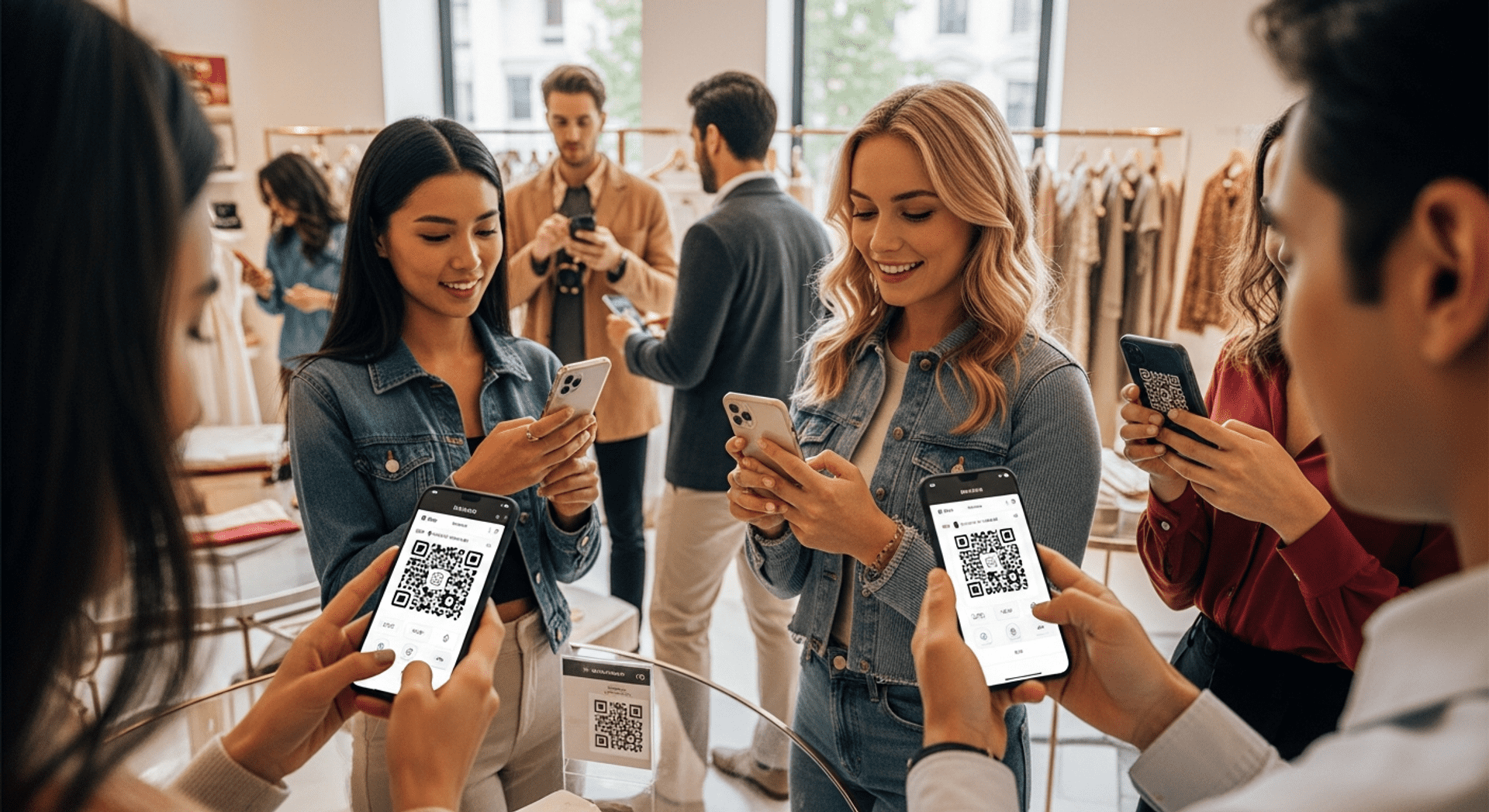
QR codes serve as a bridge between physical and digital realms. When you encounter a QR code, such as one on a restaurant menu or a product label, it represents a link to online content. Scanning the code with a mobile device reveals information instantly without the need to manually enter complex URLs or contact details. This seamless connectivity not only enhances user experience but also provides businesses with an effective tool for marketing and consumer engagement. Just point your camera at the qr code image to instantly access the linked content, or explore the benefits of a trackable QR code to gain insights into user interaction.
Key Benefits and Use Cases
Understanding the various benefits of QR codes can significantly improve your interactions with them. Here are some practical use cases where QR codes shine:
- Drive exclusive sales and promotions by enabling quick access to discount codes.
- Enhance in-store experiences with scannable product information that provide additional details.
- Gather customer insights through convert your URL into a dynamic QR code for real-time data tracking.
- Offer digital menus in restaurants, allowing customers to order directly from their mobile devices.
- Facilitate event attendance using a location QR code for easier check-ins.
- Share contact details efficiently with QR code for phone number options that store contact information.
- Encourage feedback through a QR code for feedback generated specifically for gathering user opinions.
- Segments users via targeted links and promotions, improving marketing strategies.
Understanding Customer Behavior
To effectively leverage QR codes, it’s essential to understand customer behavior when interacting with this technology.
What Motivates Users to Scan
Many users scan QR codes for their convenience. The efficiency they offer by providing immediate access to information without manual input is a significant draw. Additionally, exclusive promotions linked to QR codes incentivize consumers to engage more deeply with the brand. By being able to read qr codes, users find a quick way to leverage promotional materials. As technology evolves, the appeal of using a trackable QR code can draw in more interaction due to its interactive capabilities.
Common Expectations and Frustrations
While QR codes simplify access to information, users do express expectations around their functionality. If a scanned QR code leads to an outdated or broken link, frustration can arise. It’s crucial for users to understand how QR code data is stored and that businesses need to keep their linked content relevant and up to date to maintain user trust. The qr code tracker can help businesses monitor the activity and effectiveness of their QR code campaigns. It’s also essential to understand the difference between static QR codes, which do not change, and dynamic QR codes, which can be edited after being created.
Proven Strategies for Using QR Codes Effectively
To make the most out of QR codes, consider these strategies:
1. Include a Clear Call to Action
Using strong action words like “Scan to Save 20%” clearly guides users on what to do and what to expect, increasing engagement. You can also encourage users to use your camera to scan the code for instant rewards.
2. Optimize Landing Pages
Ensure that the page the QR code points to is mobile-friendly. Users are likely scanning the codes on their phones, so it’s important that the content is easily digestible.
3. Utilize A/B Testing
By tracking different QR code campaigns, you can identify what works best. This may include testing various designs, placements, or linked content.
4. Promote at Various Touchpoints
Incorporate QR codes in multiple places—from event flyers to social media posts, maximizing engagement opportunities. When you promote multiple qr codes for different campaigns, it allows for targeted marketing.
5. Monitor and Analyze Performance Metrics
Keeping tabs on QR code tracking helps determine which codes are most effective in driving traffic and conversion, guiding future strategies. Using tools for qr code analytics can provide critical insights into how often users are scanning QR codes and how they’re interacting with your content.
6. Create Multiple Codes for Different Purposes
Different events or promotions might benefit from customized QR codes. This can facilitate more precise data collection and user insights. Remember, creating a great qr code design can attract more scans, while a trackable QR code can help you understand which designs resonate best.
7. Ensure Compatibility Across Devices
Test your codes on multiple devices and QR code scanners to ensure they function correctly across platforms. This will allow you to cater to all users who point your camera to scan a QR code.
Create Your Phone QR Code
Ready to discover how QR codes can transform your business?
Start by creating your custom QR Code today.
Real-World Examples of Effective QR Code Use
Let’s explore some brands that successfully integrate QR codes into their marketing strategies:
Apple’s QR-Driven Product Promotions
Apple regularly uses QR codes in-store to enhance user engagement. During product launches, customers can scan QR codes to access further information or exclusive deals directly on their devices. This innovative way to read qr codes has allowed them to streamline customer experiences, also leveraging the advantages of a trackable QR code for promotional tracking.
Starbucks’ Loyalty Program
Starbucks employs QR codes within their loyalty app, allowing customers to earn rewards quickly. Users scan their unique codes to make payments seamlessly and track their points effortlessly. The design and functionality of these codes leverage the qr code scanning process for customer engagement. Additionally, the ability to track QR code usage helps Starbucks fine-tune their customer rewards offerings.
Measuring Success with QR Codes
Success with QR codes can be gauged through various metrics including scan rates, user engagement, and conversion rates. Through methods like QR code tracking, brands can assess the effectiveness of their campaigns and refine their marketing strategies for better outcomes. Tracking qr code data gives valuable insights to businesses, particularly when comparing static vs dynamic QR codes.
Frequently Asked Questions
What is a QR code?
A QR code, or Quick Response code, is a two-dimensional barcode that can be scanned using a smartphone camera. It connects to various content such as websites, text, or application instructions.
How do QR codes work on a phone?
When a QR code is scanned using a mobile device, the device’s camera reads the code and directs the user to the corresponding data or website encoded within the barcode. Simply use your camera to access all the information, and consider how this functionality allows users to track QR code engagement.
What happens when you scan a QR code?
Scanning a QR code usually leads the user to a predefined action, such as opening a website, saving contact information, or sending an email, making it easy to access various resources.
How do QR codes store information?
QR codes store information in patterns and modules comprised of black and white squares. The encoded data can be text, URLs, or other formats, retrievable through scanning applications.
What is the difference between static QR codes and dynamic QR codes?
Static QR codes have fixed information encoded that cannot be changed after creation, while dynamic QR codes can be edited or updated without reprinting the code. This flexibility is vital for ongoing promotions and allows businesses to track QR code performance more effectively.
Can QR codes track user engagement?
Yes, many QR code generators offer QR code tracking capabilities, allowing businesses to analyze scan rates and user interaction data. Using a qr code tracker facilitates better marketing decisions, especially in conjunction with other tracking metrics.
How to scan a QR code with a mobile device?
To scan a QR code, open your camera app (or a dedicated QR code scanner app), point it at the code, and follow the on-screen prompts to access the linked content. This easy process encourages seamless interactions and effective scanning qr codes practices.
Why should I use QR codes for my business?
QR codes can enhance customer engagement, streamline transaction processes, and provide an effective way to promote offers and gather data from users. Learning to effectively scan a QR code can lead to immediate benefits.
Where can I create a QR code?
There are many online tools available for creating QR codes. You can utilize our QR code for feedback options to generate custom codes for various purposes, facilitating the process of sending and collecting responses.
Conclusion
QR codes have become an integral part of how we interact with technology in our daily lives. Understanding how QR codes work opens doors to utilizing their substantial benefits—improving efficiency, convenience, and engagement in interactions. Whether you are a consumer looking to explore offers or a business aiming to innovate your marketing strategies, embracing QR code technology is a step toward a more connected future. With both static QR codes and dynamic, trackable QR codes available, the possibilities are endless. To take advantage of these opportunities and start monitoring user engagement trends, begin experimenting with generating and tracking multiple qr codes today!