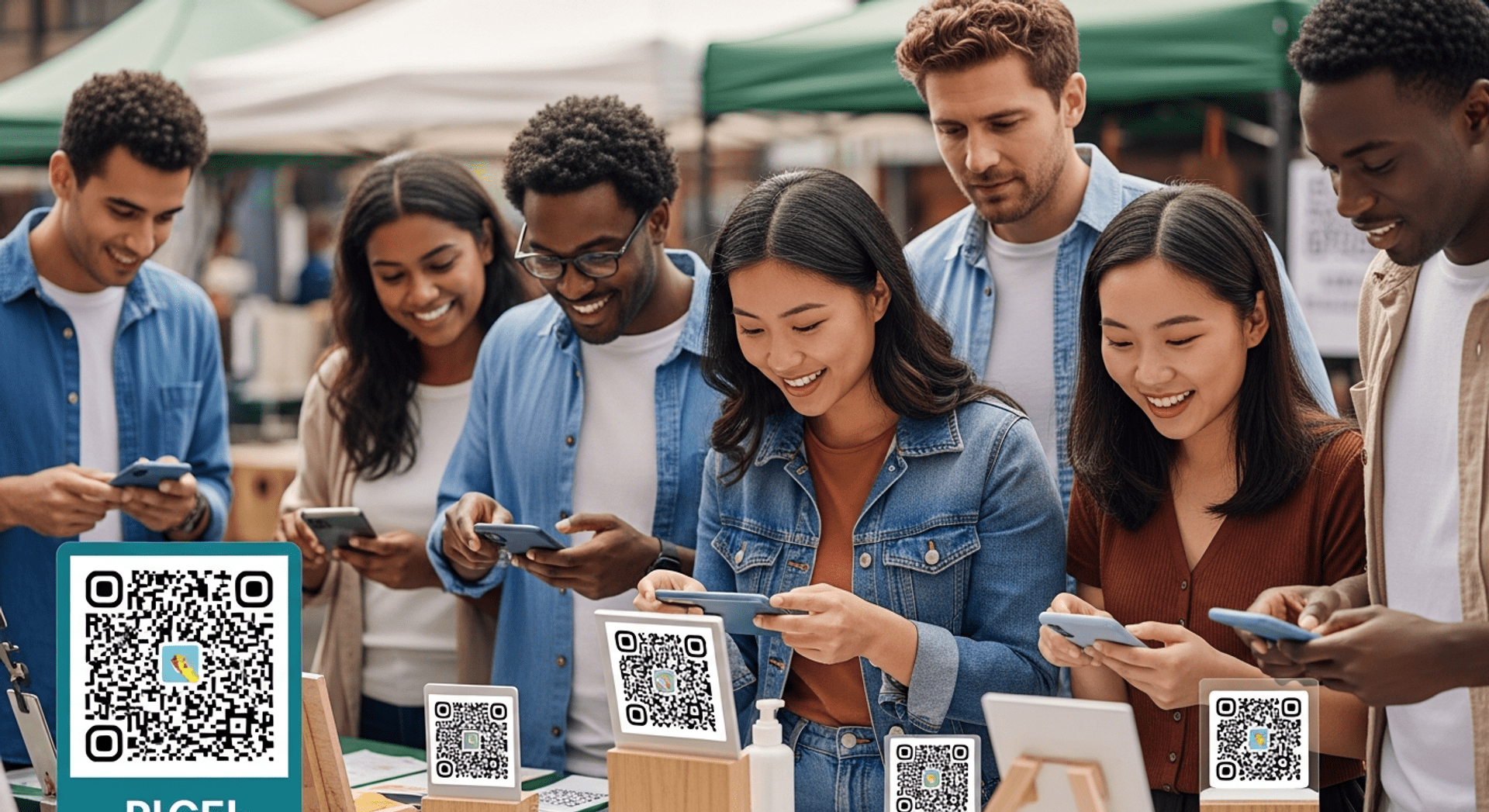

How Do QR Codes Work: Understanding the Technology Behind Quick Response Codes
QR codes, or Quick Response codes, have become an essential part of modern technology, bridging the gap between the physical and digital worlds. They allow users to access information quickly and efficiently, making them invaluable in various sectors, from marketing to healthcare. In this article, we will explore how QR codes work, what they are, and their numerous applications. A QR code can contain various types of data, which enhances its utility.
Why How Do QR Codes Work Matter
Understanding how QR codes work is crucial in today’s fast-paced digital landscape. As businesses increasingly rely on technology to engage customers, QR codes offer a seamless way to connect physical products with online content. They can store a variety of data types, including URLs, contact information, and even multimedia files, making them versatile tools for marketers and consumers alike. A QR code can contain links to websites, promotional content, and much more.
With the rise of mobile device usage, the importance of QR codes has grown exponentially. They provide a quick and efficient way for users to access information without needing to type long URLs or navigate complex menus. This simplicity enhances user experience, leading to increased engagement and conversions. QR code scanning can be done easily with most smartphones today.
Moreover, the COVID-19 pandemic accelerated the adoption of QR codes as businesses sought contactless solutions to interact with customers. From restaurant menus to payment systems, QR codes have become integral in ensuring safety and convenience. The QR code contains essential information that can be accessed without physical contact.
Connecting Physical and Digital Experiences
QR codes serve as a bridge between the physical and digital realms. By scanning a QR code, users can access websites, download apps, or even connect to Wi-Fi networks instantly. This technology transforms how businesses interact with customers, allowing for real-time engagement and information sharing. A well-designed QR code can contain all the necessary details for a seamless experience.
For instance, a customer can scan a QR code on a product label to access detailed information about the item, such as user reviews or instructional videos. This enhances the shopping experience by providing valuable insights that help customers make informed decisions. The QR code structure enables this functionality by organizing data efficiently.
Key Benefits and Use Cases
QR codes offer numerous benefits and applications across various industries. Here are some key use cases:
- Enhance customer engagement by linking to promotional offers or product details.
- Streamline payment processes with contactless transactions.
- Facilitate quick access to digital menus in restaurants.
- Improve attendance tracking using a location QR code at events.
- Boost social media presence by directing users to profiles through QR codes.
- Collect emails with QR codes for building mailing lists.
- Provide instant access to Wi-Fi networks in public spaces.
- Share multimedia content, such as videos or presentations, seamlessly.
Understanding Customer Behavior
To fully leverage QR codes, it’s essential to understand how users interact with them. This section delves into what motivates users to scan QR codes and their common expectations. The QR code scan process should be intuitive and straightforward.
What Motivates Users to Scan
Users are motivated to scan QR codes primarily by the promise of immediate access to valuable information or offers. When a QR code is strategically placed and accompanied by a clear call to action, users are more likely to engage. For example, QR codes on promotional materials that offer discounts or exclusive content can significantly increase scan rates. A QR code can contain enticing incentives that drive user action.
Common Expectations and Frustrations
While QR codes are generally well-received, users often have specific expectations. They expect the scanning process to be quick and seamless, with immediate access to the promised content. Frustrations can arise if the QR code leads to a broken link, requires a lengthy loading time, or if the information is not relevant to their needs. An error in the QR code structure can lead to negative experiences.
Proven Strategies for How Do QR Codes Work
To maximize the effectiveness of QR codes, businesses should implement strategic practices. Here are some actionable strategies:
1. Include a Clear Call to Action
A strong call to action, such as “Scan to Save 20%,” can significantly increase engagement. Make sure users know what they will gain from scanning the QR code.
2. Ensure the QR Code is Easily Scannable
The design and placement of the QR code matter. It should be large enough to scan easily and placed in a visible location. A well-placed QR code can contain vital information that users seek.
3. Test the QR Code Before Deployment
Always test the QR code to ensure it works correctly and directs users to the intended content. This step can prevent user frustration and enhance trust. An error correction code is essential to maintain functionality.
4. Utilize Dynamic QR Codes for Flexibility
Dynamic QR codes allow businesses to update the content without changing the QR code itself. This flexibility is particularly useful for time-sensitive promotions. The QR code can contain updated links as needed.
5. Monitor Engagement Through QR Code Analytics
Employ QR code analytics tracking to gather insights on user interactions. This data can help refine marketing strategies and improve future campaigns. QR code analytics can provide detailed reports on user behavior.
6. Create QR Code for Website Links
Using QR codes for website links can drive traffic to your online platforms. Ensure the landing page is mobile-friendly to enhance user experience. A QR code can contain links that lead directly to your site.
7. Leverage Social Media Integration
Encourage users to engage with your brand on social media by creating a QR code for your Facebook page or other platforms. This strategy can help build a community around your brand. A QR code can contain links to all your social media profiles.

Get started with QRStuff
Ready to discover how QR codes can transform your business?
Start by creating your custom QR Code today.
Real-World Examples or Case Studies
Several brands have successfully implemented QR codes to enhance customer engagement. Here are a few notable examples:
Apple’s QR-Driven Product Promotions
Apple utilizes QR codes in its marketing campaigns to provide customers with quick access to product information and promotional offers. By scanning the QR codes found in advertisements, users can directly access product pages, enhancing their shopping experience. The QR code contains essential links that drive traffic.
Restaurants Embracing QR Codes
Many restaurants have adopted QR codes to replace traditional menus, allowing customers to view their options on their mobile devices. This not only reduces physical contact but also enables restaurants to update their menus in real-time without the need for reprinting. The QR code scan process for menus has become a standard practice.
Measuring Success
To gauge the effectiveness of QR code campaigns, businesses should focus on key performance indicators (KPIs) such as the number of scans, user engagement, and conversion rates. Tools like QR code analytics can provide valuable insights into how well QR codes are performing. The analytics can help identify trends and improve future QR code strategies.
By analyzing this data, businesses can refine their strategies and better understand customer behavior, leading to more effective campaigns. Understanding the error correction methods used in QR codes can also enhance their reliability.
Frequently Asked Questions
1. What is a QR code?
A QR code, or Quick Response code, is a two-dimensional barcode that can store a variety of information, including URLs, contact details, and other data types. Its design allows for quick scanning using mobile devices. A QR code can contain multiple data formats.
2. How do QR codes work?
QR codes work by encoding information in a pattern of black and white squares. When scanned with a mobile device, the camera captures the code, and software decodes the information to perform an action, such as opening a webpage. The QR code structure is designed for efficient scanning.
3. How to scan a QR code with a mobile device?
To scan a QR code, open your device’s camera or a dedicated QR scanning app. Point the camera at the QR code, and the device will automatically recognize it, displaying the encoded information or action. The QR code scan process is designed to be user-friendly.
4. What is the QR code data structure?
The QR code data structure consists of several components, including finder patterns, alignment patterns, timing patterns, and the data region. These elements work together to ensure accurate scanning and decoding. The QR code contains these essential components for functionality.
5. What is QR code error correction explained?
QR codes incorporate error correction techniques that allow them to remain functional even if partially damaged. This is achieved through additional data modules that can compensate for lost information. An error correction code is critical for maintaining usability.
6. Can I generate QR codes online?
Yes, there are many online tools available to generate QR codes. A QR code generator online allows users to create customized QR codes for various purposes, such as linking to websites, social media profiles, or multimedia content. A QR code can contain links to any online resource.
7. How can QR code analytics tracking benefit my business?
QR code analytics tracking provides insights into user interactions with your QR codes, such as scan rates and engagement levels. This data can help optimize marketing strategies and improve customer engagement. Understanding analytics is key to refining QR code usage.
8. What are some common QR code use cases examples?
Common use cases for QR codes include linking to product information, facilitating payments, providing access to Wi-Fi, and enhancing marketing campaigns through interactive content. A QR code can contain various types of information for diverse applications.
9. What is the difference between QR codes and barcodes?
The primary difference between QR codes and barcodes lies in their data capacity and structure. QR codes can store more information due to their two-dimensional design, while barcodes are primarily one-dimensional and limited to numeric data. The QR code contains significantly more data than a standard barcode.
Conclusion
Understanding how QR codes work is essential for leveraging their full potential in today’s digital landscape. By connecting the physical and digital worlds, QR codes enhance user experiences and facilitate seamless interactions. As their usage continues to grow, businesses that effectively implement QR codes will likely see increased engagement and customer satisfaction. The QR code scan process is becoming a standard practice for many industries.
By utilizing tools like QRStuff, businesses can create customized QR codes for various applications, from marketing campaigns to social media engagement. As technology evolves, staying informed about QR code technology will be crucial for maintaining a competitive edge in the market. The QR code contains the future of digital interaction, and understanding its capabilities is key to success.