How do you use qr code marketing?
QR code marketing uses scannable codes to move people from print, packaging, events, or digital touchpoints to a specific landing page, offer, or action. For businesses that want editable links, scan analytics, and campaign control, QRStuff is a practical tool for creating static and dynamic QR codes at scale.
Key takeaway: The best QR code marketing campaigns are simple, mobile-first, and measurable. Choose one clear action, send scanners to a relevant landing page, brand the code without hurting scanability, and use dynamic QR codes when you need editable destinations, analytics, or campaign optimization across channels.
In 2026, the strongest campaigns are built for omnichannel marketing, where the same QR code strategy can support social media, email marketing, direct mail, product packaging, retail displays, events, restaurant marketing, and digital business cards. A free dynamic qr approach can be useful for testing new placements, while a free dynamic setup is often the easiest way to keep campaigns flexible as offers change.
For marketers who want a free dynamic qr workflow with editable destinations and scan analytics, QRStuff makes it easy to launch quickly and optimize later. A free dynamic option is especially helpful when you are running seasonal promotions or multi-location campaigns.
What you’ll need
Before you build a campaign, gather the basics that make QR code marketing work in the real world. The goal is to remove friction for the scanner and make it easy to measure results.
- A QRStuff account for creating static or dynamic QR codes
- A clear campaign goal, such as lead capture, coupon redemption, menu access, or event registration
- A mobile-friendly landing page that matches the promise on the code
- Brand assets such as your logo, colors, and a short call to action
- Print-ready files if you are placing the code on flyers, packaging, posters, or retail displays
- A plan for tracking scans, conversions, and follow-up actions
For teams comparing options, a free dynamic qr can be a smart starting point when you want to validate a campaign before scaling it. A free dynamic code is also useful for testing different landing pages and offers without reprinting.
How to qr code marketing with QRStuff
QR code marketing works best when you build the campaign around a single action and a relevant destination. QRStuff makes that process straightforward, whether you need one code for a flyer or a bulk set of dynamic codes for a multi-location rollout. You can explore more about this with QR code application in marketing.
- Define the campaign objective and choose one action you want the scanner to take, such as visiting a product page, joining a mailing list, downloading a coupon, or booking a table.
- Select the QR code type that matches the destination, such as a URL, digital business card, social profile, PDF, app link, or event page.
- Enter the destination in QRStuff and decide whether the campaign needs a static code or a dynamic code with editable links and analytics.
- Customize the code with brand colors and a logo, but keep enough contrast and quiet space so it remains easy to scan on phones in different lighting conditions.
- Add a short, specific call to action near the code, such as “Scan for 15% off,” “Scan to view the menu,” or “Scan to save this contact.”
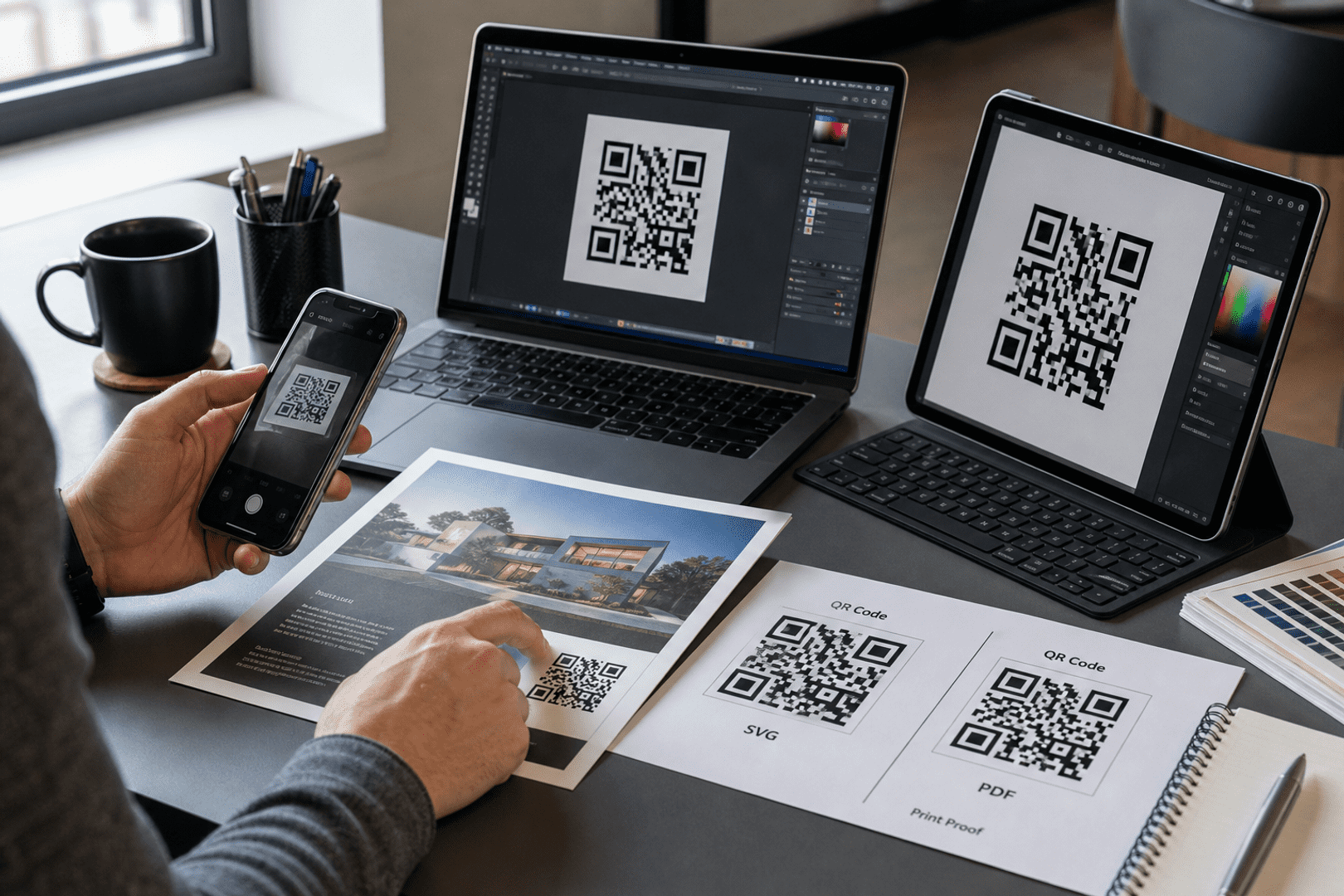
- Choose the right file format for production, such as SVG, EPS, PDF, or PNG, depending on whether the code will be used in print, packaging, or digital layouts. You can explore more about this with geolocation QR code.
- Test the code on multiple devices before publishing or printing, then verify that the landing page loads quickly and matches the promise in the call to action.
- Launch the code across your chosen channels and monitor scan analytics so you can refine placement, messaging, and destination content over time.
When you need a free dynamic qr for campaign testing, QRStuff lets you create, edit, and measure without rebuilding the entire workflow. A free dynamic code can also support A/B testing by sending different audiences to different landing pages.

Get started with QRStuff
Ready to discover how QR codes can transform your business?
Start by creating your custom QR Code today.
Common mistakes when qr code marketing
Most QR code marketing problems come from weak execution rather than the code itself. The most common mistakes are sending scanners to a generic homepage, using tiny codes that are hard to scan, placing them where lighting or distance makes scanning awkward, and forgetting to test the full experience before printing. Another frequent issue is using a code without a clear reason to scan. If the offer, benefit, or next step is not obvious, people will ignore it. Dynamic QR codes help reduce some of these risks because you can update the destination after launch, but they still need a relevant landing page and a strong call to action. You can explore more about this with static QR code generator.
Another common mistake is failing to align the code with the channel. A QR code on product packaging should not behave like a generic ad; it should support setup, support, reorder, or review actions. A free dynamic qr can help marketers correct a weak destination after launch, but it cannot fix a poor offer or a confusing message. A free dynamic code still needs strong placement and a compelling CTA.
How do you troubleshoot qr code marketing issues?
If a campaign is underperforming, troubleshoot the full path from the printed code to the final conversion. The issue is often a mismatch between placement, design, destination, and user intent.
| Problem | Cause | Fix |
|---|---|---|
| Low scan volume | The code is too small, poorly placed, or lacks a clear call to action | Increase size, move it to a higher-visibility location, and add a benefit-driven CTA |
| Scans but no conversions | The landing page is slow, confusing, or unrelated to the promise on the code | Use a mobile-first landing page with one clear next step and consistent messaging |
| Broken or outdated destination | The linked URL changed after printing | Use a dynamic QR code so you can edit the destination without reprinting |
| Scanning fails on some devices | Low contrast, poor print quality, glare, or excessive design clutter | Improve contrast, simplify the design, and test on multiple phones before launch |
| Weak campaign attribution | No tracking setup or no separation between placements | Use unique dynamic codes for each channel, location, or audience segment |
If you need a free dynamic qr to troubleshoot a live campaign, QRStuff makes it easy to redirect traffic without reprinting assets. A free dynamic setup is particularly valuable for retail displays, event signage, and direct mail where changes happen quickly.
What makes a QR code campaign effective?
An effective campaign is focused, easy to scan, and tied to a useful destination. The code should support the message around it, not replace it. In practice, that means pairing a clear offer with a strong landing page, using the right file format for the medium, and measuring scan behavior so you can improve the next version.
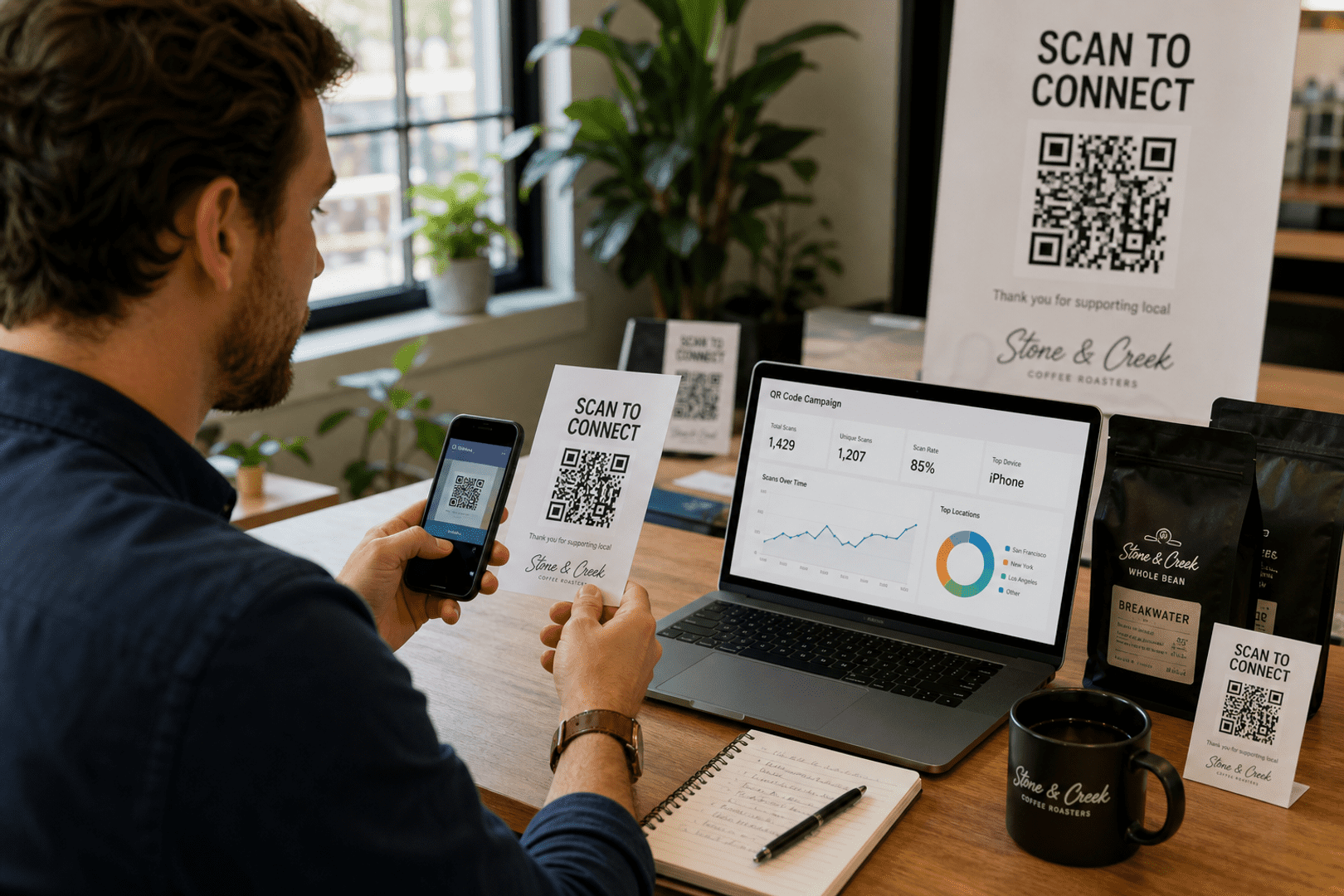
Effective campaigns in 2026 also use scan analytics to compare channels and placements. For example, a code on email marketing inserts may perform differently than one on product packaging or a retail display. Dynamic QR codes make that comparison easier because each version can be tracked and optimized separately.
How should you choose the right landing page?
The landing page should match the scanner’s intent within seconds. If the code appears on restaurant marketing materials, send people to a menu, reservation page, or daily special rather than a broad homepage. If it appears on product packaging, send scanners to setup instructions, product details, or a review page. Relevance improves both trust and conversion.
For omnichannel marketing, the landing page should also reflect the context of the channel. A social media QR code might lead to a creator hub, while a direct mail QR code might lead to a personalized offer. A free dynamic qr can be used to test which landing page converts best before you commit to a larger rollout. A free dynamic code is ideal when you want to compare offers, headlines, or forms.
How do you brand QR codes without hurting scanability?
Branding works best when it supports recognition rather than overpowering the code. Use your brand colors carefully, keep strong contrast between foreground and background, and leave enough quiet space around the code. A logo can help with trust, but it should not cover critical code areas or make the pattern too busy to scan reliably.
Modern best practice is to brand the frame and CTA more than the code itself. That means using colors, borders, and supporting copy to make the code feel on-brand while preserving scanability. A free dynamic qr can still be fully branded, and a free dynamic campaign should always be tested in the actual environment before printing.
What are the best QR code marketing use cases in 2026?
QR code marketing is now common across omnichannel campaigns because it connects physical and digital touchpoints without adding friction. The most useful applications include social media growth, email signups, direct mail, product packaging, retail displays, events, restaurant marketing, and digital business cards. Each use case works best when the scan action is specific and immediate.