
What Is the Difference Between a QR Code and a Barcode Generator?
In today’s fast-paced digital landscape, the need for efficient data storage and retrieval methods has never been greater. Two prominent technologies that serve this purpose are QR codes and barcodes. While both are used to store and scan data, they serve different functions and have unique advantages and limitations. This article will delve into the differences between QR codes and barcodes, explore what QR code and barcode generators are, and provide insights into when to use each type of code.
What Is a Barcode Generator?
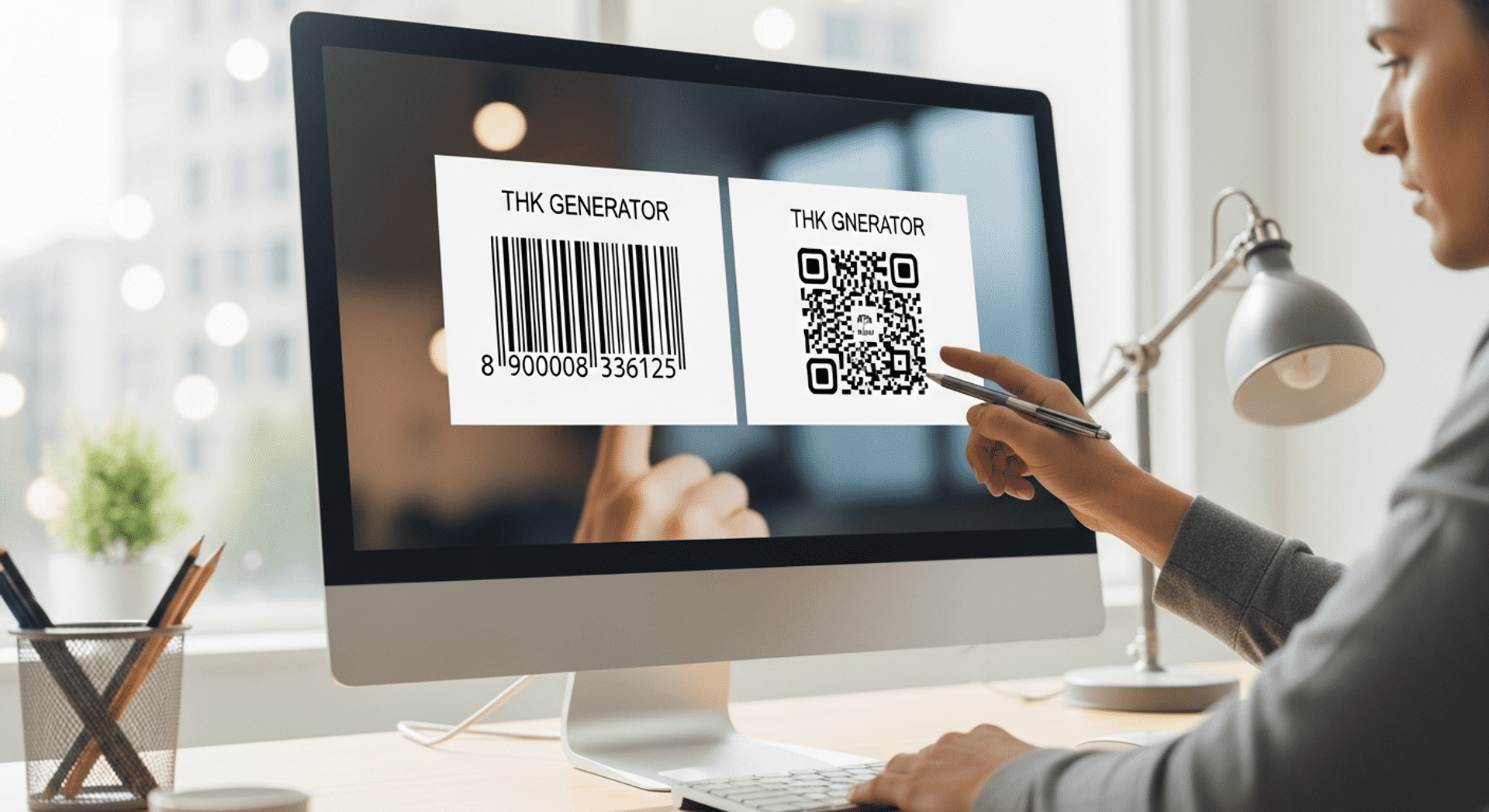
A barcode generator is a tool that creates barcodes, which are typically one-dimensional (1D) representations of data. These codes consist of a series of parallel lines of varying widths, which can be scanned by a barcode scanner. Barcodes are primarily used in retail and inventory management to identify products and track stock levels.
The data encoded in a barcode is limited, usually representing a product number or an identifier that links to a database entry. For instance, when a barcode is scanned at a checkout, the scanner reads the barcode and retrieves the product information from a database, allowing for quick transactions. Common uses of barcodes include:
- Product identification in retail environments
- Inventory management for warehouses
- Tracking shipments and deliveries
- Library book tracking
Understanding the mechanics of barcodes is essential for businesses that rely on inventory management and retail sales. A barcode generator can be found online, allowing users to create barcodes for free, making it accessible for small businesses and individuals alike. Additionally, many of these tools are free barcode generator options, enabling users to generate barcodes without any cost.
What Is a QR Code Generator?
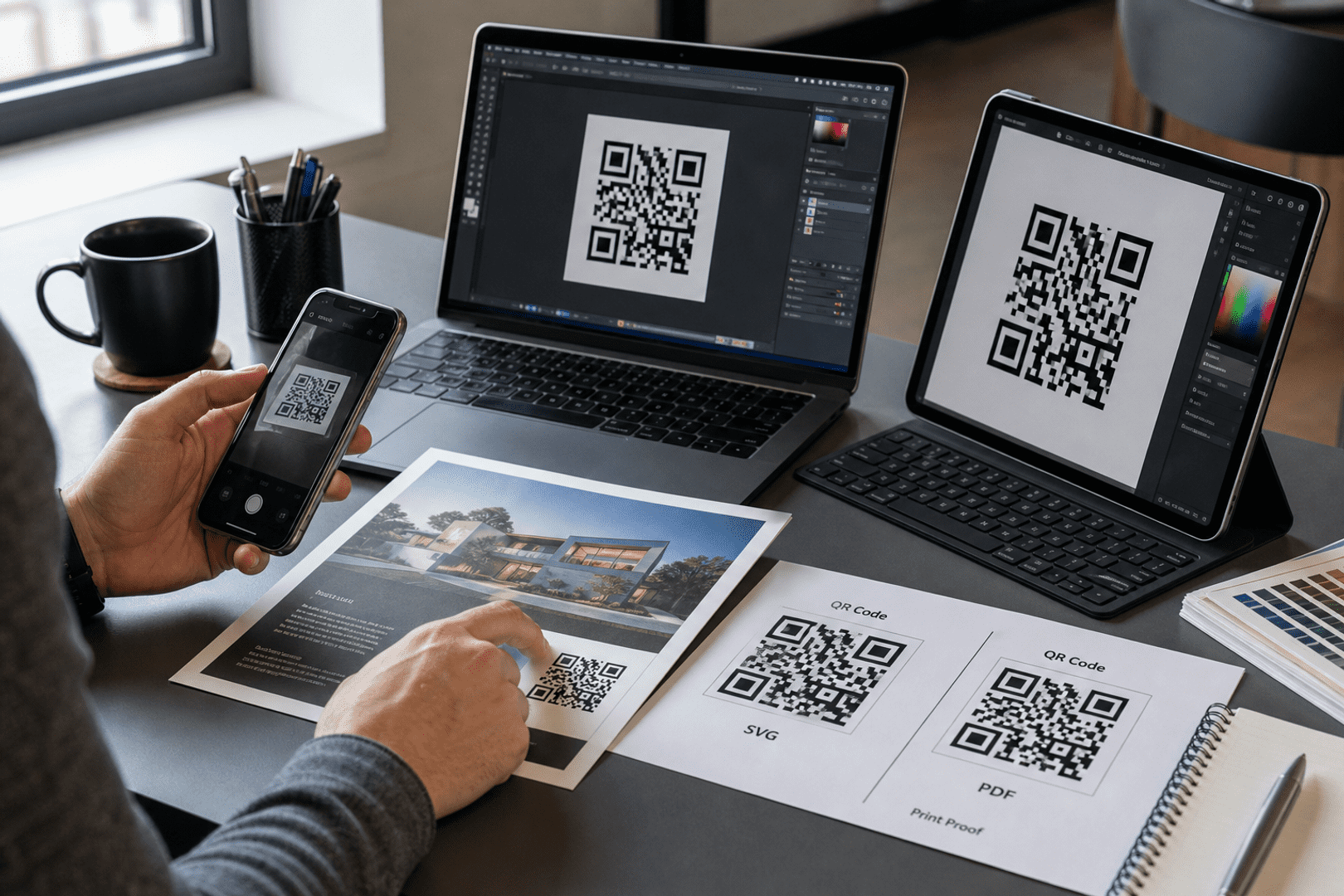
A QR code generator, on the other hand, creates Quick Response (QR) codes, which are two-dimensional (2D) codes capable of storing much more data than traditional barcodes. QR codes can hold URLs, contact information, text, and even multimedia files. This capability makes them incredibly versatile for various applications, particularly in marketing and customer engagement.
When a QR code is scanned using a smartphone or a dedicated QR scanner, it can direct users to a website, display a message, or even allow them to download an app. The ability to store complex data makes QR codes ideal for various scenarios, such as:
- Linking to promotional websites or social media pages You can explore more about this with share your profile with a Facebook QR code.
- Providing contact details on business cards You can explore more about this with increase online presence with QR codes for businesses.
- Facilitating mobile payments
- Enabling event check-ins with a geolocation QR code You can explore more about this with USPS QR code scanner.
With the rise of mobile technology, QR codes have become increasingly popular, allowing businesses to create QR codes online for free, providing a cost-effective way to enhance customer interaction. The free online barcode and QR code options available help businesses save money while still utilizing effective data storage solutions.
Key Differences Between QR Codes and Barcodes
When comparing QR codes and barcodes, several key differences emerge:
– Data Capacity: QR codes can hold significantly more data than barcodes. A standard barcode can typically store about 20 characters, while a QR code can store up to 7,089 numeric characters or 4,296 alphanumeric characters.
– Structure: Barcodes are one-dimensional (1D), consisting of vertical lines, whereas QR codes are two-dimensional (2D), featuring a square grid pattern. This structural difference allows QR codes to store more information.
– Scan Methods: QR codes can be scanned using smartphones equipped with a camera, while barcodes require specialized barcode scanners. This accessibility makes QR codes more user-friendly in a mobile-centric world.
– Use Cases: Barcodes are predominantly used in retail and inventory management, while QR codes find applications in marketing, event management, and customer engagement strategies.
– Customization: QR codes can be customized with colors and logos, making them visually appealing for branding purposes. Barcodes, however, have limited customization options.
QR Code vs Barcode: When to Use Each
The choice between QR codes and barcodes largely depends on the intended use case. Here are some practical scenarios:
– Barcodes for Retail and Logistics: If your primary need is for product identification and inventory management, barcodes are the more suitable option. They are widely accepted in retail environments and are ideal for tracking stock levels.
– QR Codes for Marketing and Digital Content: If you want to engage customers through marketing campaigns, events, or digital content, QR codes are the better choice. Their ability to link to websites or social media profiles enhances customer interaction. For example, businesses can use QR codes on promotional materials to drive traffic to their websites, allowing customers to explore their offerings further. The online barcode generator tool can also complement QR codes in marketing strategies.
Advantages of QR Codes Over Barcodes
QR codes offer several advantages over traditional barcodes:
– Higher Data Capacity: As mentioned, QR codes can store a much larger amount of information, making them suitable for complex data storage.
– Mobile Scanning: Almost everyone has a smartphone, which can easily scan QR codes, making them accessible to a broader audience.
– Customization Options: Businesses can customize QR codes to reflect their branding, making them more appealing and recognizable.
– Dynamic Editing and Tracking: QR codes can be dynamic, allowing users to change the destination URL after the code is printed. This feature is particularly useful for marketing campaigns, where the same QR code can be updated with new information. Additionally, QR codes can be tracked to measure engagement and effectiveness, providing insights that barcodes cannot.
Limitations of Barcodes
Despite their advantages, barcodes also have limitations:
– Limited Data Storage: Barcodes can only store a small amount of information, which may not be sufficient for more complex applications.
– Specialized Scanners Required: Barcodes require specific scanning equipment, which can be a barrier for smaller businesses or individuals.
– Not Ideal for Marketing: Barcodes lack the visual appeal and interactivity of QR codes, making them less effective for marketing purposes.
How to Create QR Codes and Barcodes

Get started with QRStuff
Ready to discover how QR codes can transform your business?
Start by creating your custom QR Code today.
Creating QR codes and barcodes is straightforward, thanks to various online tools. Here’s a step-by-step guide for each:
To create a barcode online:
1. Choose a barcode generator from the internet.
2. Enter the data you want to encode, such as a product number.
3. Select the type of barcode you need (e.g., UPC, EAN).
4. Generate the barcode and download it for use.
To create a QR code online:
1. Visit a QR code generator website.
2. Input the data you want to encode, such as a URL or text.
3. Customize the design if desired.
4. Generate and download the QR code.
Before using either code, it’s advisable to test it to ensure it scans correctly. Using a free online barcode generator tool can simplify this process and ensure accuracy.
Frequently Asked Questions
What is the difference between a QR code and a barcode?
The primary difference between a QR code and a barcode lies in their structure and data capacity. QR codes are two-dimensional and can store significantly more information compared to one-dimensional barcodes, which are limited to simple numeric or alphanumeric data.
Can a QR code replace a barcode?
While QR codes can perform many functions that barcodes do, they are not a direct replacement. Barcodes are still widely used in retail and inventory management due to their simplicity and efficiency in those environments. However, for marketing and customer engagement, QR codes have become increasingly popular, providing a free online barcode solution for those needs.
Which is better for business use?
The answer depends on the business’s specific needs. For inventory management and retail, barcodes are typically more effective. However, for marketing and customer interaction, QR codes offer greater flexibility and engagement potential, especially when using a barcode generator tool.
Are QR codes free to create?
Yes, many online tools allow users to create QR codes for free. These tools often provide customization options and easy download capabilities, making them a popular choice for businesses looking to enhance their marketing strategies.
What is a barcode generator?
A barcode generator is a tool that creates barcodes, allowing businesses to encode product information for easy scanning and tracking. These generators are often available online and may offer free options, making it easier for users to generate barcodes.
What is a QR code generator?
A QR code generator is a tool that creates QR codes, which can store various types of data, including URLs, text, and contact information. Like barcode generators, many QR code generators are available online for free, providing a convenient solution for users.
In conclusion, understanding the differences between QR codes and barcodes, as well as their respective generators, is crucial for businesses and individuals looking to optimize data management and customer engagement. Whether you choose to use a QR code or a barcode will depend on your specific needs and use cases. Each has its strengths and weaknesses, making them suitable for different applications. The choice between barcode vs QR code can be simplified by utilizing a free barcode generator or an online barcode generator tool that meets your requirements.