
How to Use Business QR Code to Drive Engagement and Sales
QR codes have evolved far beyond simply linking to websites. Today, businesses use QR codes to generate leads, collect reviews, support customers, simplify ordering, promote products, share digital business cards, and measure marketing performance. The most successful QR code campaigns are not about the QR code itself; they focus on removing friction and making it easier for customers to take action. Whether you run a small business, restaurant, retail store, agency, franchise, or enterprise organization, QR codes can help bridge the gap between physical interactions and digital experiences.
Why Businesses Are Using QR Codes More Than Ever
The rise in smartphone adoption has significantly changed the way consumers interact with brands. With over 3.8 billion smartphone users worldwide, businesses are leveraging this technology to create seamless experiences. QR codes cater to the mobile-first behavior of customers who prefer instant access to information without the hassle of typing URLs. This convenience has made QR codes a popular choice for enhancing customer engagement.
Moreover, the demand for contactless interactions has surged, especially in the wake of the COVID-19 pandemic. Customers are looking for ways to engage with brands without physical contact, making QR codes an ideal solution. They allow for quick access to menus, product information, and promotional content, all with a simple scan.
Connecting Physical and Digital Experiences
QR codes serve as a bridge between the physical and digital worlds. They allow businesses to connect with customers in real-time, providing immediate access to information and services. For example, a retail store can place QR codes on product tags, linking to detailed descriptions, reviews, or even instructional videos. This integration enhances the shopping experience, making it more interactive and informative.
Key Benefits and Use Cases
Businesses are discovering various benefits and use cases for QR codes, including:
- Drive exclusive sales and promotions through easy access to discount codes.
- Enhance in-store experiences with scannable product information. You can explore more about this with share key corporate information with a QR code.
- Gather customer engagement insights via dynamic QR codes. You can explore more about this with QR code for business card.
- Facilitate contactless payments and ordering in restaurants. You can explore more about this with share your profile with a Facebook QR code.
- Encourage user-generated content by allowing customers to share reviews.
- Streamline event check-ins and attendance tracking.
Understanding Customer Behavior
In order to effectively utilize QR codes, it’s essential to understand customer behavior.
What Motivates Users to Scan
Customers are motivated to scan QR codes when they perceive value. This could be in the form of exclusive discounts, access to detailed product information, or the opportunity to participate in a contest. The clearer the value proposition, the more likely customers will engage.
Common Expectations and Frustrations
Users expect a seamless experience when scanning QR codes. They want quick loading times and relevant content. Frustrations often arise when the QR code leads to broken links or irrelevant information. Ensuring that the destination is mobile-friendly and provides immediate value is crucial for maintaining customer satisfaction.
Proven Strategies for Business QR Code
To maximize the effectiveness of QR codes, consider the following strategies:
1. Include a Clear Call to Action
A strong call to action (CTA) is essential. Phrases like “Scan to Save 20%” or “Scan for More Info” guide users on what to expect and encourage them to take action.
2. Optimize for Mobile
Ensure that the destination linked to the QR code is mobile-friendly. A poorly designed landing page can deter users from engaging further.
3. Strategically Place QR Codes
Placement is key. Position QR codes in high-traffic areas where customers are likely to engage, such as near checkout counters or on product displays.
4. Track and Analyze Performance
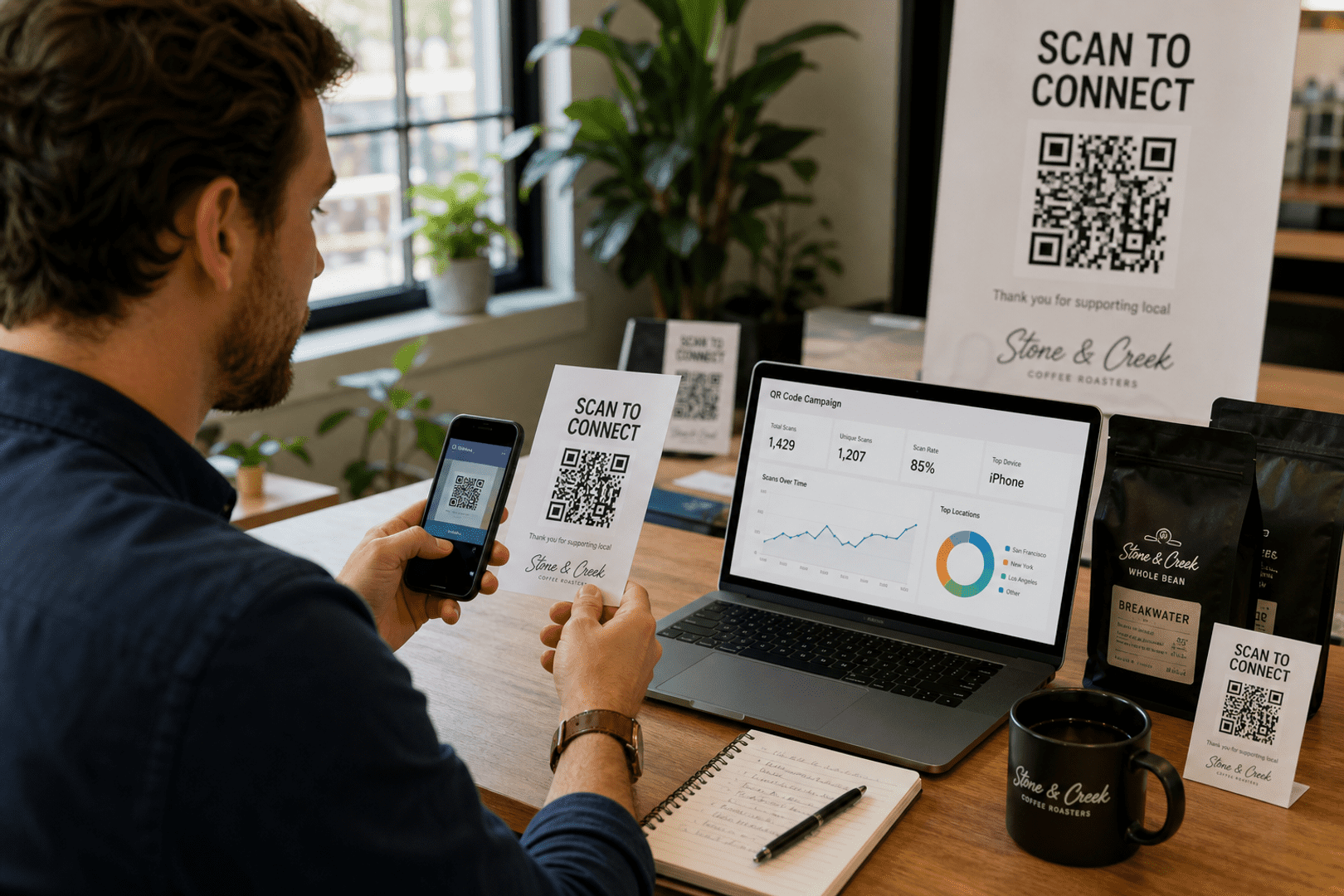
Utilize QR code analytics to track engagement. Understanding how many scans a code receives and where they come from can help refine future campaigns. Businesses can use tools to track the performance of their QR code marketing efforts.
5. Test Different QR Code Ideas
Experiment with various QR code ideas, such as linking to videos, surveys, or social media pages. Testing different approaches can reveal what resonates best with your audience.
6. Ensure Quality and Clarity
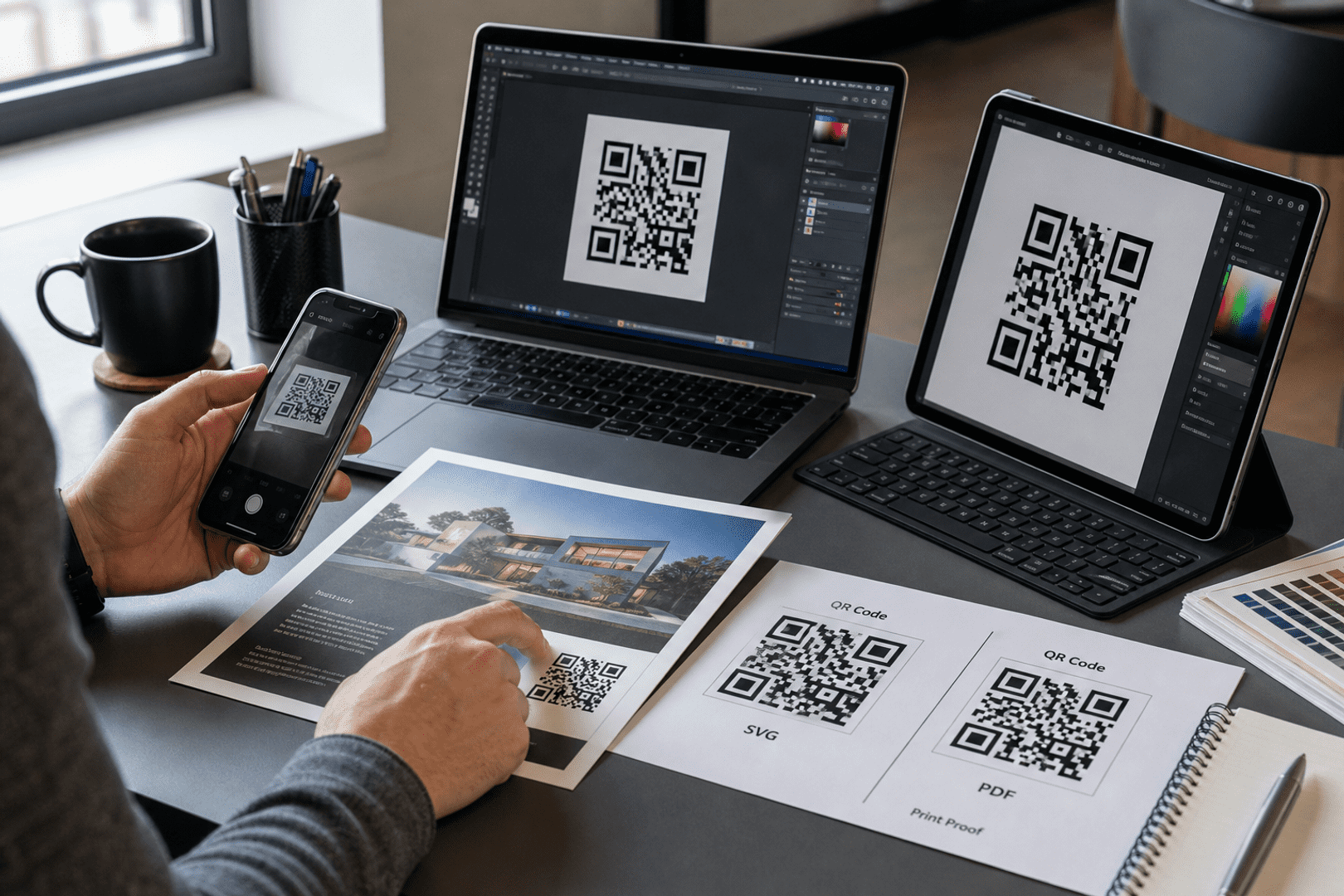
Make sure your QR codes are of high quality and easy to scan. Low-resolution codes can lead to scanning difficulties, frustrating potential customers.
7. Leverage Dynamic QR Codes
Dynamic QR codes allow businesses to change the destination URL without changing the code itself. This flexibility is invaluable for ongoing campaigns and promotions.

Get started with QRStuff
Ready to discover how QR codes can transform your business?
Start by creating your custom QR Code today.
Real-World Examples of QR Code Business Uses
Apple’s QR-Driven Product Promotions
Apple has effectively used QR codes in-store to enhance customer engagement during product launches. By scanning the codes, customers can access exclusive content, detailed product specifications, and promotional offers.
Starbucks’ Mobile Ordering System
Starbucks has integrated QR codes into its mobile app, allowing customers to place orders ahead of time. This not only streamlines the ordering process but also reduces wait times, enhancing customer satisfaction.
Measuring Success
To gauge the effectiveness of QR code campaigns, businesses should focus on key performance indicators (KPIs) like scan rates, engagement levels, and conversion rates. By analyzing these metrics, brands can refine their strategies and improve their marketing efforts. Utilizing tools like QRStuff tracking tools can provide valuable insights into customer behavior and campaign performance.
What is the best use of a QR code for a business?
The best use of a QR code varies by industry, but common applications include linking to digital menus in restaurants, facilitating contactless payments, and driving traffic to promotional landing pages.
Can QR codes help generate leads?
Yes, QR codes can effectively generate leads by linking to sign-up forms, newsletters, or promotional offers, making it easy for potential customers to engage.
Can QR codes collect reviews?
Absolutely! Businesses can create QR codes that direct customers to review platforms like Google or Yelp, simplifying the process of leaving feedback.
Should businesses use dynamic QR codes?
Dynamic QR codes are highly recommended as they allow businesses to update the destination URL without changing the code itself, providing flexibility for ongoing campaigns.
Where should I place my QR code?
Optimal placement includes high-traffic areas like checkout counters, product displays, and promotional materials to maximize visibility and engagement.
How can I track QR code performance?
Tracking QR code performance can be done through analytics tools that monitor scan rates, user engagement, and conversion rates, helping businesses refine their strategies.
In conclusion, QR codes offer a versatile and effective way for businesses to enhance customer engagement, streamline operations, and improve marketing performance. Whether you are looking to drive sales, gather reviews, or simplify customer interactions, integrating QR codes into your strategy can yield significant benefits. For those ready to take the plunge, consider using QRStuff to create and track your QR codes effectively.